

The world as we knew it is gone for good.
The pandemic has cost more than lives and wealth—it has reshaped our world and our thinking, from sweeping global shifts to subtle, personal changes.
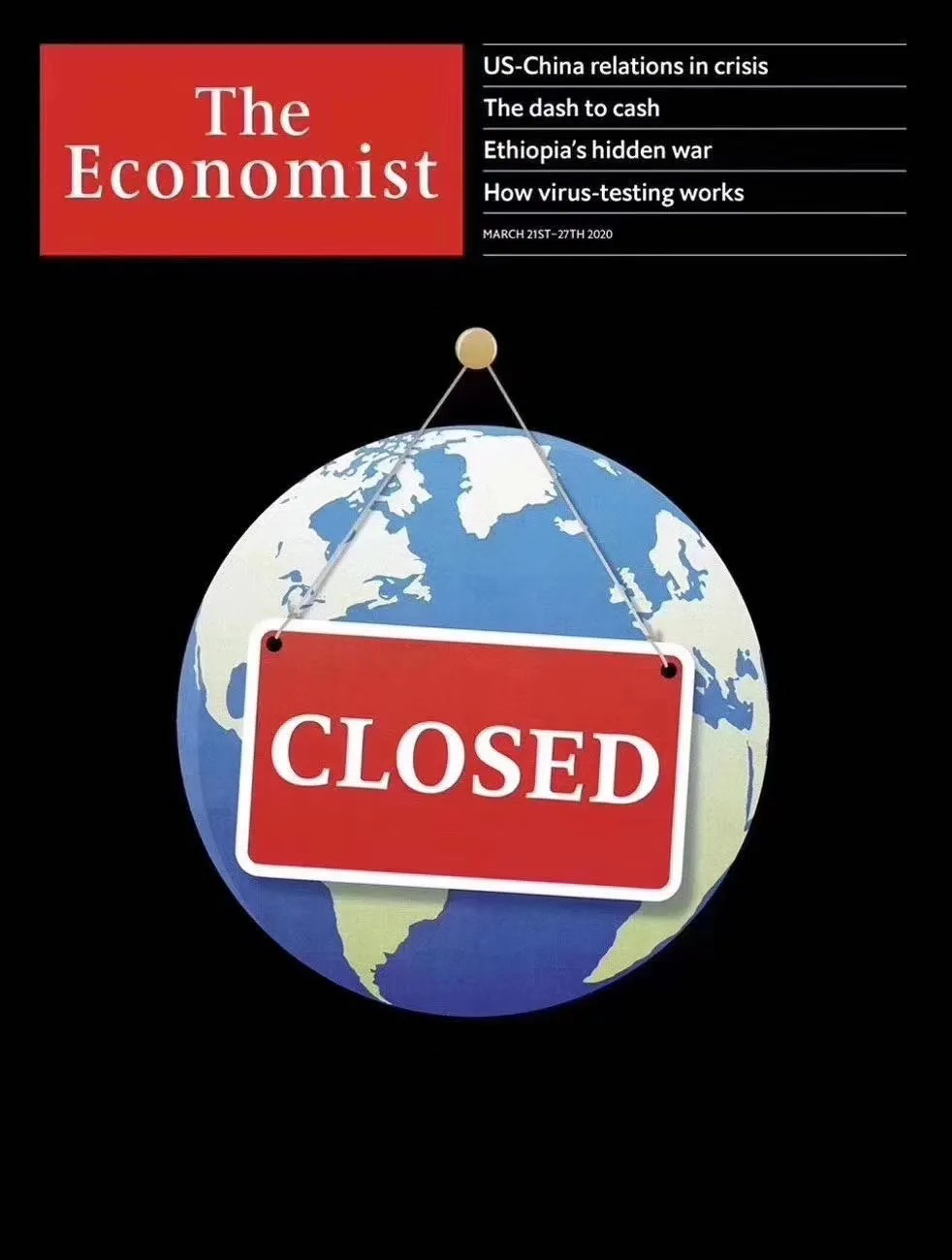
Many have already felt the economic pain firsthand. While opinions differ, a growing number of experts warn this crisis could trigger a full-blown recession.
Even the U.S. Federal Reserve's unprecedented "unlimited" quantitative easing failed to immediately calm the markets.
Yet the most damaging consequence may not be economic, but the erosion of trust between nations and growing skepticism toward globalization itself.
This trend has been building for years: the rise of isolationism, populism, and nationalism fueling ongoing trade disputes. At the same time, carbon reduction goals are pushing companies to shorten supply chains. While profit motives have kept this shift in check, the pandemic has abruptly accelerated it.
For years, countries debated bringing manufacturing home. During the outbreak, some couldn't even secure enough basic medical supplies like masks, facing global ridicule for their shortages. Such vulnerabilities won't be ignored for long.
Of course, geopolitics and trade are more than petty squabbles—though sometimes they can look remarkably similar.
The prosperity of the late 20th and early 21st centuries was built on globalized labor and resource allocation. China has been both a key architect and a major beneficiary of this system.
Yet globalization's supporters have reason for concern. The pandemic will eventually recede, planes will fly again, and cruise ships will sail—but rebuilding fractured international partnerships will be a far greater challenge.
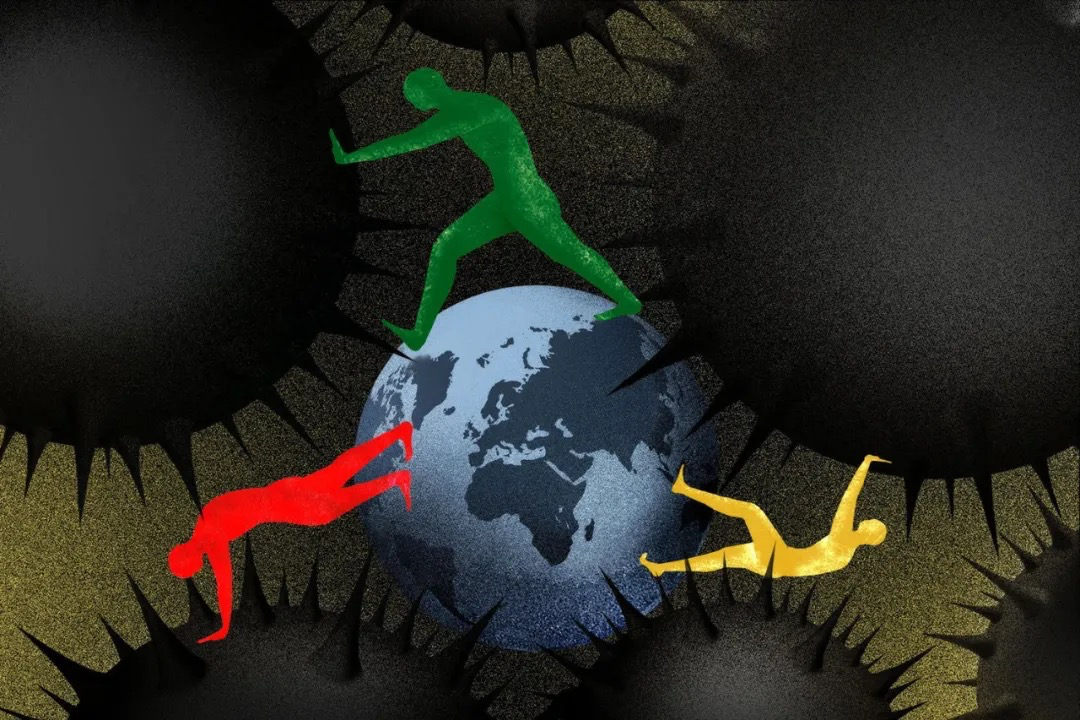
Robin Niblett, CEO of the UK think tank Chatham House, put it bluntly: "The globalization we know is over."
After the pandemic, "if there is no impetus to protect the shared benefits of global economic integration, the 20th century's architecture of global economic governance will rapidly erode. Leaders will need extraordinary self-discipline to sustain international cooperation and avoid sliding into overt geopolitical competition," Niblett warned.
And if the pandemic response falls short, the temptation for leaders to shift blame elsewhere will be hard to resist.
We are already witnessing these trends unfold.
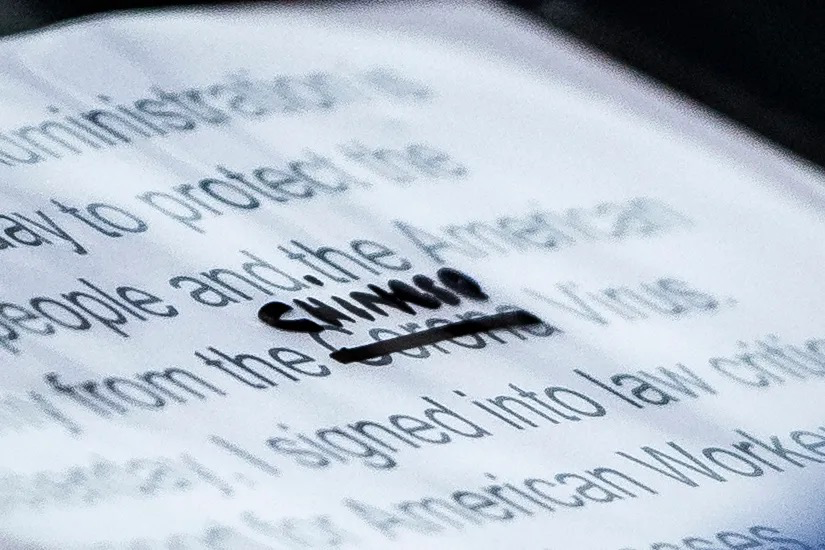
Several experts from the Council on Foreign Relations share remarkably consistent views on globalization's trajectory.
Shannon K. O’Neil, the Council's Deputy Director, argues that COVID-19 is undermining the core principles of global manufacturing. Many companies will look to scale back and diversify their supply chains across multiple countries. For strategic industries, governments will also step in, creating domestic contingency plans and stockpiling reserves. In short, some profit margins will be sacrificed to ensure a stable supply.
Senior Fellow Laurie Garrett echoes this view: “Globalization has allowed companies to produce globally and deliver products just-in-time, avoiding warehousing costs. Inventory held for more than a few days is seen as a market failure. But the coronavirus has shown that pathogens can infect not just people, but poison entire just-in-time systems.”
“As a result, global capitalism is entering a dramatic new phase—with supply chains moving closer to home. This may cut into short-term corporate profits, but it will make the whole system more resilient.”
Council President Richard Haass believes that “the coronavirus crisis will cause most governments to turn inward, focusing on domestic affairs for years to come. Given fragile supply chains, I expect accelerated moves toward selective self-sufficiency (and the decoupling that follows). Large-scale immigration will face stronger opposition. And as countries pour resources into domestic recovery and mitigating the economic crisis, they will be less willing or able to tackle regional or global challenges—including climate change.”
John Allen, President of the Brookings Institution and a retired four-star U.S. Marine Corps general, puts it bluntly: “This shift poses particularly high risks for developing countries and nations with large populations of impoverished workers.”

While the international community has strengthened cooperation during the pandemic—and informed observers know collaboration is mutually beneficial—the pressures of crisis response and the mechanics of politics continue to erode the foundations of trust and collective action.
As CFR President Richard Haass notes, “this crisis could worsen the ongoing deterioration in U.S.-China relations and further weaken European integration.”
For politicians, wielding racism and nationalism is a tool to divert from internal strife and mask their own failings. For the public, feelings of relative decline and genuine hardship make it easy to seek out external enemies to blame. Pandemic-fueled fear also provides fertile ground for conspiracy theories and irrationality—leading each side to champion its own narrative and engage in relentless attacks.
The EU externally accuses Russia of spreading pandemic disinformation, while internally it strains under pressure as member states prioritize national survival and fight the pandemic alone. If hard-hit countries like Italy and Spain don't receive sufficient support from Brussels, the EU's very legitimacy will be called into question.
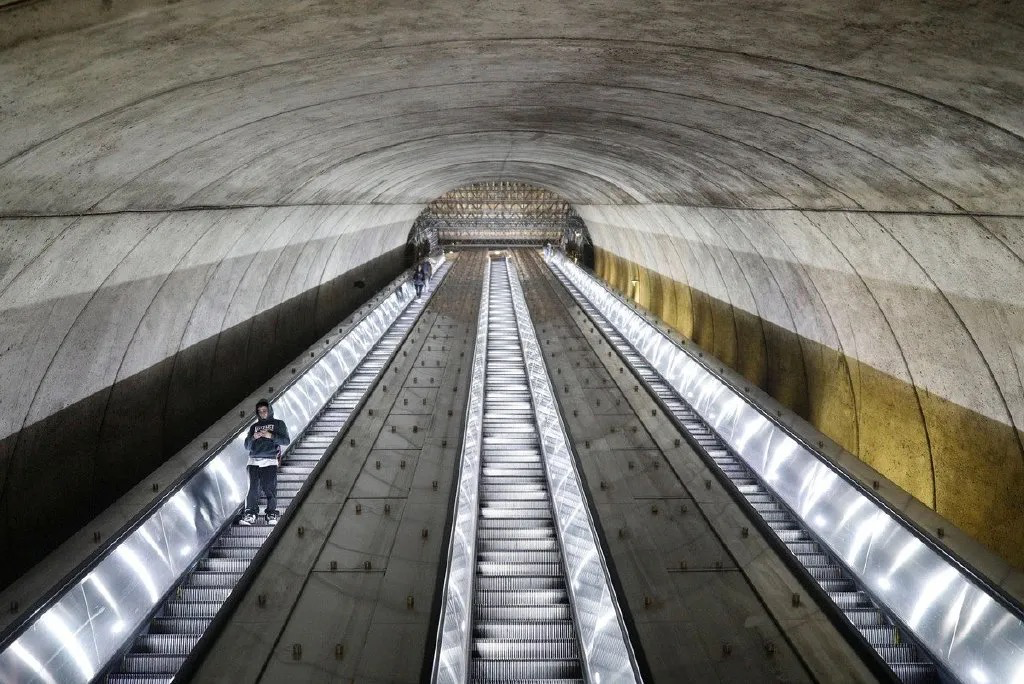
This rift is also apparent between the United States and Europe.
“Under President Trump, the U.S. has embraced a new brand of self-interest,” said Jan Techau, a Senior Fellow at the German Marshall Fund in Berlin. He argues that Trump’s unabashed nationalism and “America First” stance—first blaming China for the pandemic, then turning on Europe—signal that “the U.S. is no longer serving the global community.”
A New York Times report makes a similar point: during both the 2008 financial crisis and the 2014 Ebola outbreak, the U.S. took the lead in coordinating global responses. This time, however, it has stepped back from that role.
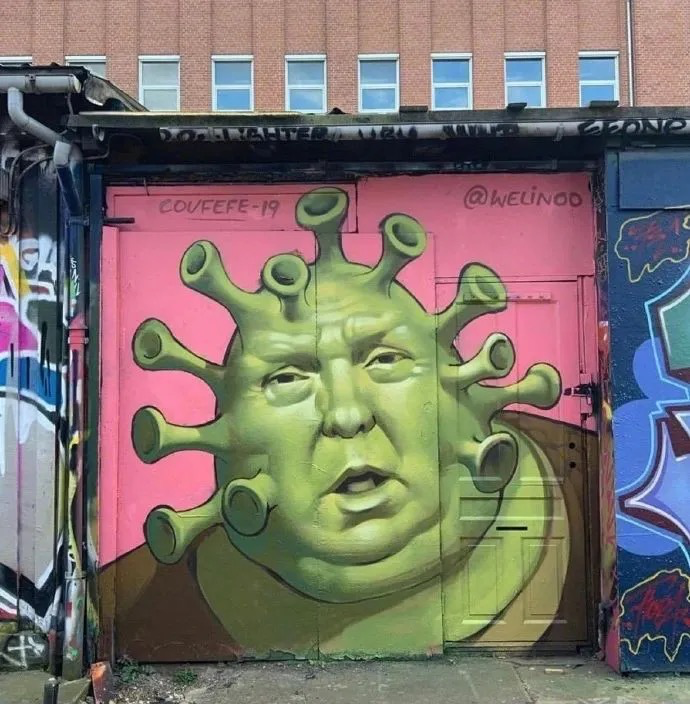
With all this criticism, is Trump’s approval rating suffering?
Quite the opposite. A recent ABC News/Ipsos poll found that 55% of Americans approve of Trump’s handling of the crisis, versus 43% who disapprove. That marks a 12-point jump from the previous week—a complete reversal of the earlier trend.
A similar pattern emerged in the UK, where Prime Minister Boris Johnson’s approval rating climbed from 41% to 46%.
The public mood is clear.
Scholar Michele Gelfand categorizes societies into two types: “tight” ones, which emphasize rules and order, and “loose” ones, which prioritize freedom and maintain a more relaxed social atmosphere.
The pandemic has shown that “strict rules and order save lives.” She predicts U.S. politics will shift toward a more restrictive culture in the pandemic’s aftermath.
Harvard professor Stephen M. Walt observes that governments of all stripes have enacted emergency powers to manage the crisis—and are unlikely to give them up once it’s over.
He argues, “Past pandemics didn’t lead to a new era of global cooperation—and neither will this one.” As citizens look to governments for protection and businesses seek to reduce future risks, “we’ll see a further retreat from globalization.”
“In short, COVID-19 will create a world that is less open, less prosperous, and less free.”
Echoing this view, Shivshankar Menon, former National Security Advisor to Indian Prime Minister Manmohan Singh, sees a broader inward turn—a push by all political entities to seize control of their own destinies. “We are heading toward a poorer, meaner, and smaller world.”
We’ve strung together these diverse perspectives precisely because they come from different individuals and institutions, offering a more nuanced frame of reference. Together, they paint a rather pessimistic picture of globalization’s future—or at the very least, anticipate profound structural changes ahead.
This breakdown in trust and cooperation is evident everywhere: factories in Guangdong, Jiangsu, and Zhejiang are seeing fewer orders, leading to layoffs; discrimination against Chinese nationals abroad is on the rise; and similar, though still marginal, trends are emerging within China itself.
In a series of posts, Yuval Noah Harari, author of Sapiens: A Brief History of Humankind, has voiced his concern. He argues that the current deficit in global cooperation is not only hindering the pandemic response but will also poison international relations for years.
The historian also warns that the emergency measures governments are rushing to implement could leave a dangerous legacy—such as normalizing surveillance and infringing on privacy in the name of public health, or choosing nationalist isolation over global solidarity. "The decisions people and governments take in the next few weeks will probably shape the world for years to come," he writes.
These are perceptive warnings, but turning this insight into reality will be a long and difficult road.
Opposing forces are still at play, with cooperation and exclusion locked in a complex dance. It remains unclear whether the world will ultimately tilt toward collaboration and empathy or toward isolation and division.
Yet one thing is certain, and it's captured by an old saying: "As you sow, so shall you reap."