The crypto market shows no mercy—its price swings spare no one. Even the most skilled investors can't guarantee they'll never end up in a losing trade. Professional traders, who win more often than not, still get caught out. It's an inevitable part of the game.
Typically, there are four main ways traders get "stuck":
1. Getting stuck on a specific coin
Common reasons this happens:
(1) Emotional attachment: After making a profit on a coin, you develop a bias and keep trading it. Since markets are cyclical, repeatedly trading the same asset eventually leads to a losing position.
(2) FOMO trading: Chasing a trending coin, buying in late, and selling too late—a cycle that repeats.
(3) Holding obscure altcoins: Sticking with low-cap tokens that show no movement across multiple market cycles.
2. Getting stuck by misreading the market
When the broader market is bullish and rising, many mistake the early signs of a reversal for a temporary dip. They hold or even add to their positions, only to get caught when the trend truly reverses.
3. Getting stuck in a bear market
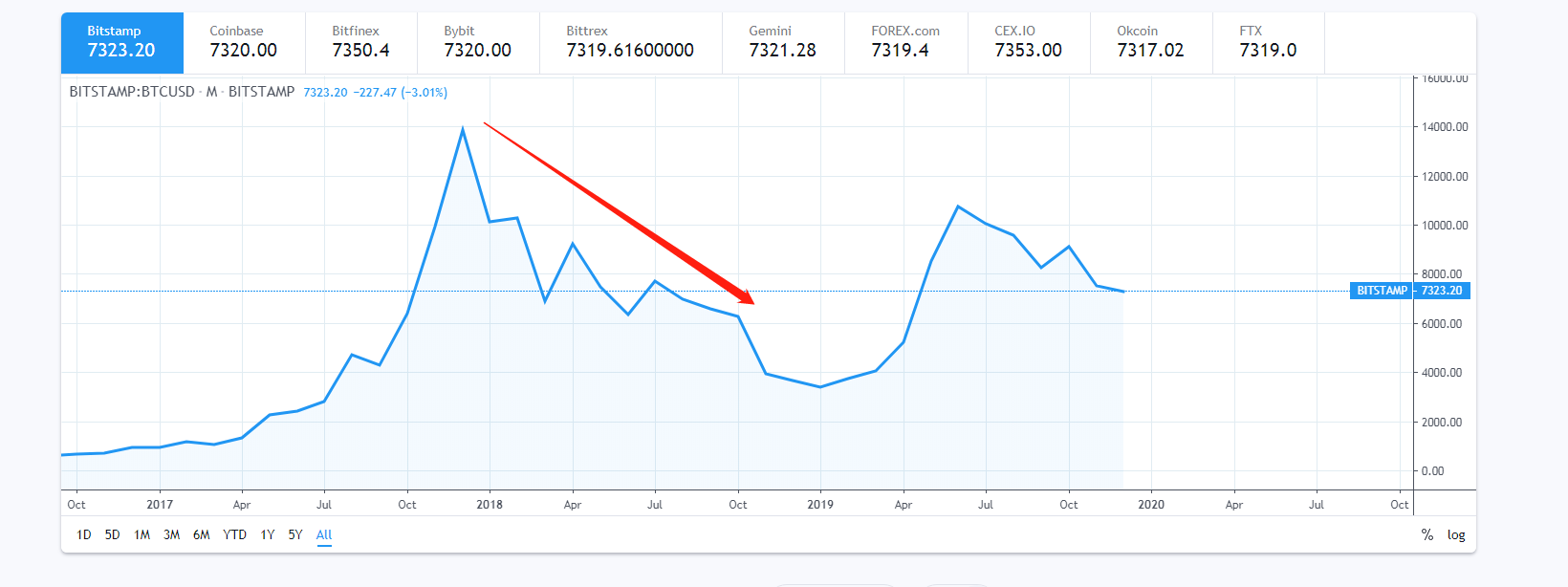
This is the most daunting scenario. With no clear bottom in sight, weak rallies can spark false hope, tempting investors to hold or average down. Losses then snowball from minor, to moderate, to severe. By the time the real bottom hits, capital is often depleted. When the next bull run arrives, these positions seldom recover to their break-even point.
4. Getting your entire portfolio stuck
You've bought plenty of tokens—some have gone up, others down—but your overall portfolio is going nowhere.
When you find yourself in a losing position, stay calm and rational—don't panic or act on impulse. The key is to apply the right de-risking strategy for the current market environment.
I. Passive De-risking: Holding Your Position
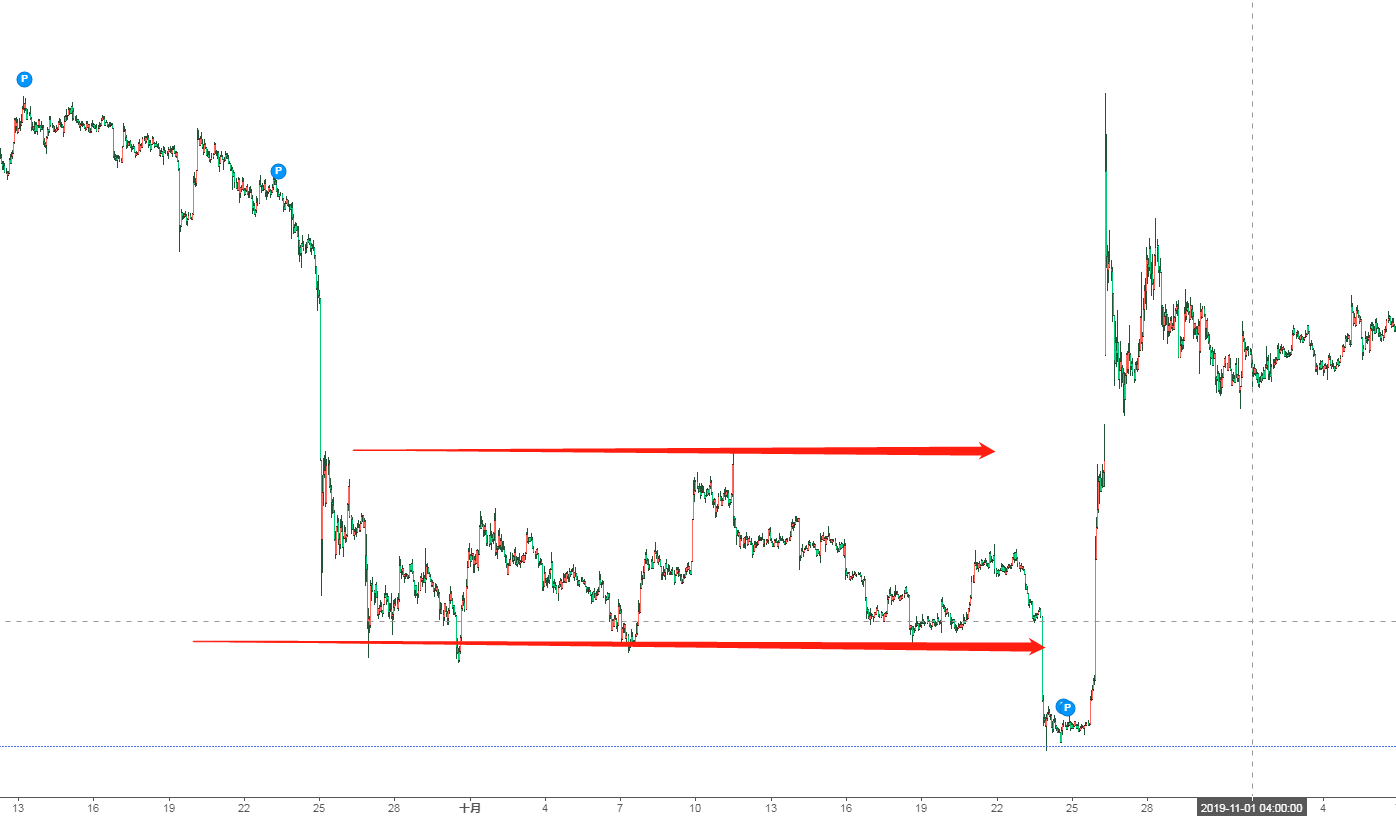
1.This works best at the tail end of a bear market. If a prolonged downturn is followed by extended sideways movement and signs of a reversal appear, avoid selling at the bottom.
2.Even with a clear trend, your entry point might not be perfect. Remember, major rallies always face pullbacks. Stay steady, don't second-guess every dip, and avoid jumping back in too early after prices start rising again.
II. Active De-risking Strategies
1.Cut Your Losses and Reallocate Capital
If a trade moves against you, exit immediately. This is the essence of the “Crocodile Rule”: once you realize your position is wrong, cut your losses decisively. Don't cling to hope or try to fight the market. The rule is harsh but apt—like sacrificing a limb to save your life. In trading, cutting losses early prevents a small mistake from becoming a disaster.

2.The Bounce-and-Exit Strategy: Wait for Stabilization Before Re-entering
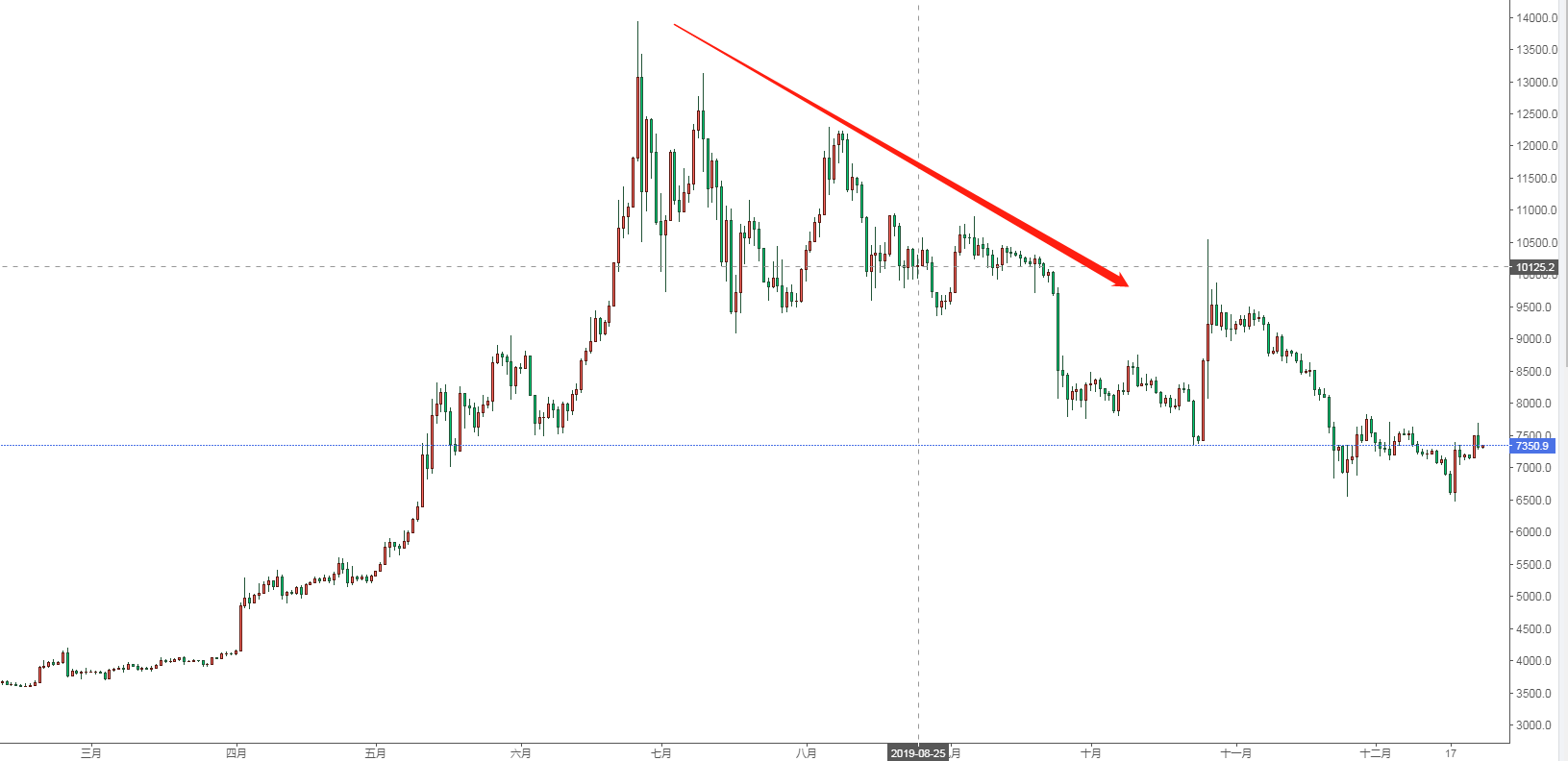
In a strong downtrend where the price curve is consistently falling, any rallies tend to be weak and fail to reach prior highs. These temporary bounces often present the best opportunities to exit your position.
3. Rebalance Your Portfolio: Shift to Stronger Tokens
If the broader market is bullish but your holdings consistently underperform—failing to rally with the market or even declining—it's a sign of weak fundamentals. In this scenario, decisively swap into stronger, high-performing major tokens.
A key point to remember: if you've held a long-dormant altcoin or a token that's effectively gone to zero, a recovery is highly unlikely. Accept this reality and focus on avoiding similar mistakes in the future.
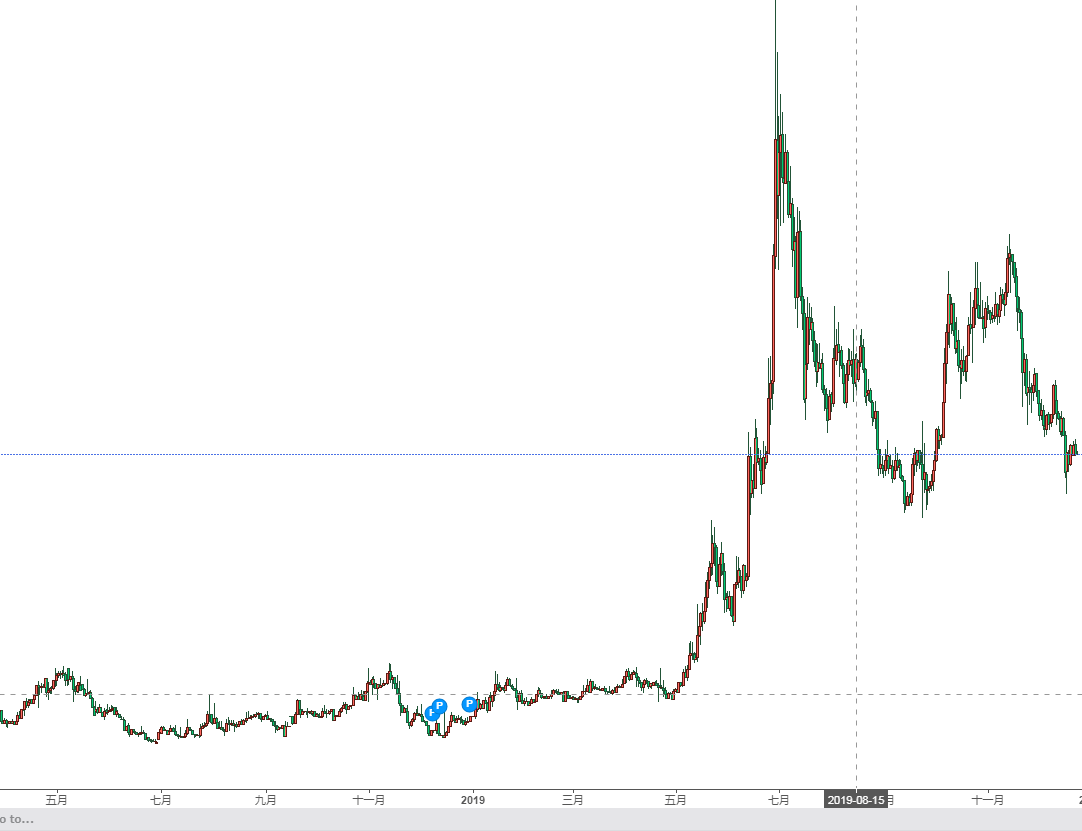
4.Averaging Down at the Right Time
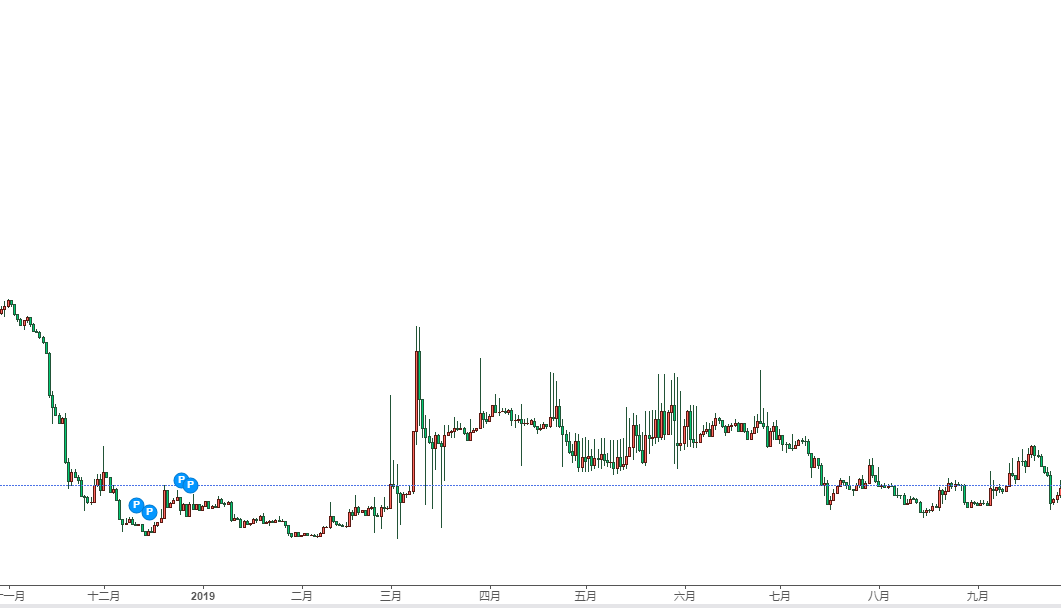
In a clear trend, if your initial entry point wasn't ideal, consider adding to your position when the price pulls back to a strong level of support.
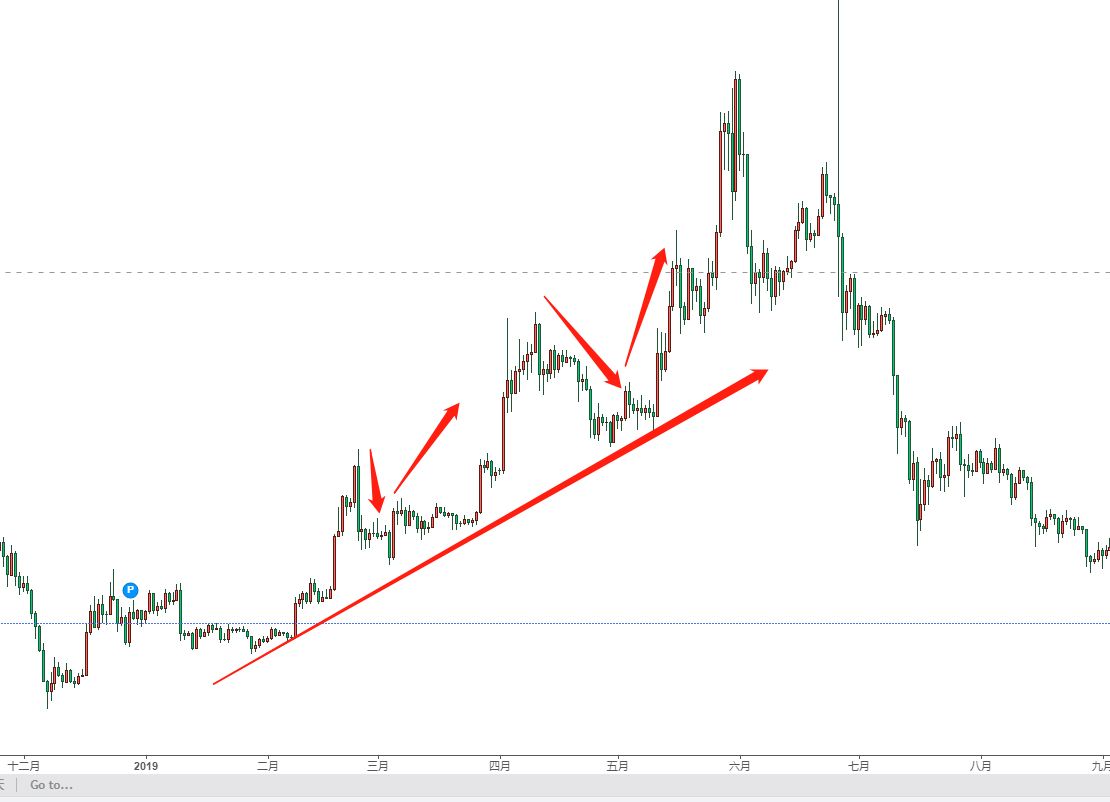
5.Poor Timing: Adjust Your Entry
If you find yourself stuck in a losing position soon after entering, it likely means your timing was off or your directional bias was wrong. The best move is to cut your losses, reassess your analysis, and plan a new entry strategy.
6.Hedging with Locked Positions
The market is in a period of high volatility and consolidation, creating a standoff between bulls and bears. With the short-term direction unclear, it may be prudent to lock in your positions to limit downside risk. A patient wait for the market to stabilize and provide clearer signals before making your next move is advisable.