

Hong Kong Digital Storm: The “Feng of the Fragrant Harbor” Propels Web3 to Asia’s Summit — The 2023 Hong Kong Web3 Impact & Innovation Summit concluded successfully on March 28, 2023, from 9:30 AM to 5:00 PM HKT at the Charles K. Kao Auditorium, Hong Kong Science Park. The summit was exclusively powered by MERRILL, organized by the Shenzhen Information Services Blockchain Association, co-organized by the Asia-Pacific Blockchain Federation, Hong Kong Blockchain Association, and Cointime, with co-sponsorship from SoftBank Global Holdings Group (USA) and ProTradex, and hosted by Rechain Culture & Media.
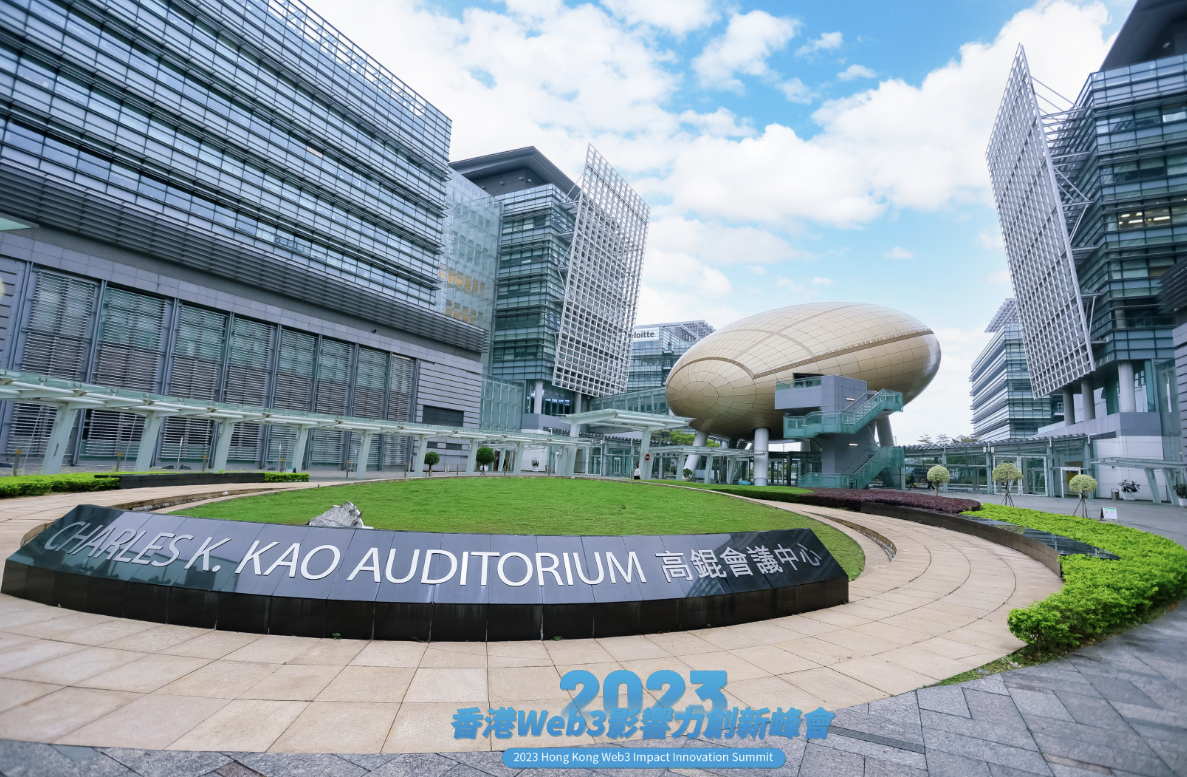
As emerging technologies—including blockchain, distributed ledger technology (DLT), and cryptocurrencies—continue advancing, Web3 is increasingly becoming a pivotal force driving global technological transformation, unlocking enormous potential for the world economy. As a leading international hub for finance and technological innovation, Hong Kong stands at the forefront of the Web3 technological revolution and bears the critical mission of fostering global economic integration and development.
On October 31, 2022, the Hong Kong government released its “Policy Statement on Virtual Assets in Hong Kong.” Against this landmark backdrop, the summit aimed to explore Web3’s impact and innovations across economics, finance, politics, culture, and other domains; deeply examine development trajectories within Web3, AIGC, and the metaverse; and establish a diversified, international platform for learning and exchange in digital finance—injecting continuous fresh momentum into Hong Kong’s journey toward Web3-powered digital finance!
As a core component of the 2023 Hong Kong Web3 Impact & Innovation Summit, the “SoftBank Night” networking dinner on March 27 offered attendees direct access to the most creative and imaginative pioneers of Web3.0, facilitating in-depth discussions with representatives from the Hong Kong government, financial institutions, and renowned Asian enterprises on cross-sector collaboration and innovative development. Throughout the summit, high-impact highlights abounded: the official launch ceremony of the EPO International Data Exchange; keynote speeches delivered by seven distinguished guests offering diverse perspectives; eight live demos broadening horizons; cutting-edge Web3 concepts and technologies showcased for participants; and dynamic roundtable discussions where experts exchanged insights—sparking vibrant, insightful collisions among knowledge, theory, and technology, delivering rich, actionable content!
Subsequently, the Hong Kong inspection delegation engaged in close exploration with InvestHK and the Legislative Council of the Hong Kong Special Administrative Region, deepening participants’ understanding of the convergence between Web3 digital finance and Hong Kong. This initiative provided trend analysis and strategic insights for nearly 400 industry professionals—including representatives from Tencent Cloud, Shubao Data, Dinglian Blockchain Technology, and other Shenzhen-based enterprises—as well as key figures from the Hong Kong government and regulatory authorities, Hong Kong’s first batch of licensed financial institutions, top-tier global investment firms, and active Web3 entrepreneurs—charting new pathways for Hong Kong’s Web3 growth.
Opening Remarks
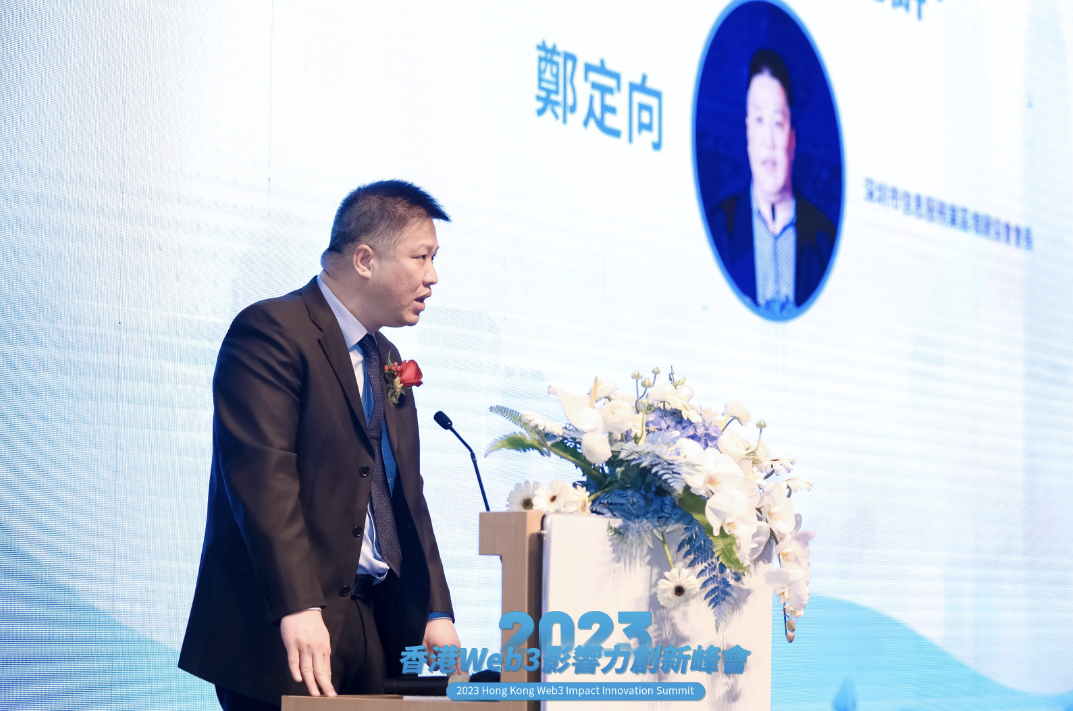
At the opening of the summit, Mr. Zheng Xiangding, President of the Shenzhen Information Services Blockchain Association, delivered the keynote address. He stated that the rise of the Web3 digital economy is ushering humanity into an entirely new future. As an international financial center, Hong Kong enjoys unique geographical advantages in the digital economy domain. Meanwhile, Shenzhen—a city rich in talent—provides robust support for digital economy development. By linking Shenzhen and Hong Kong, both regions can leverage their respective strengths to jointly build a digital Greater Bay Area, lighting the “lighthouse” of Eastern digital civilization—especially by integrating Hong Kong’s financial expertise, positioning the Greater Bay Area to become a global leader in the digital economy.
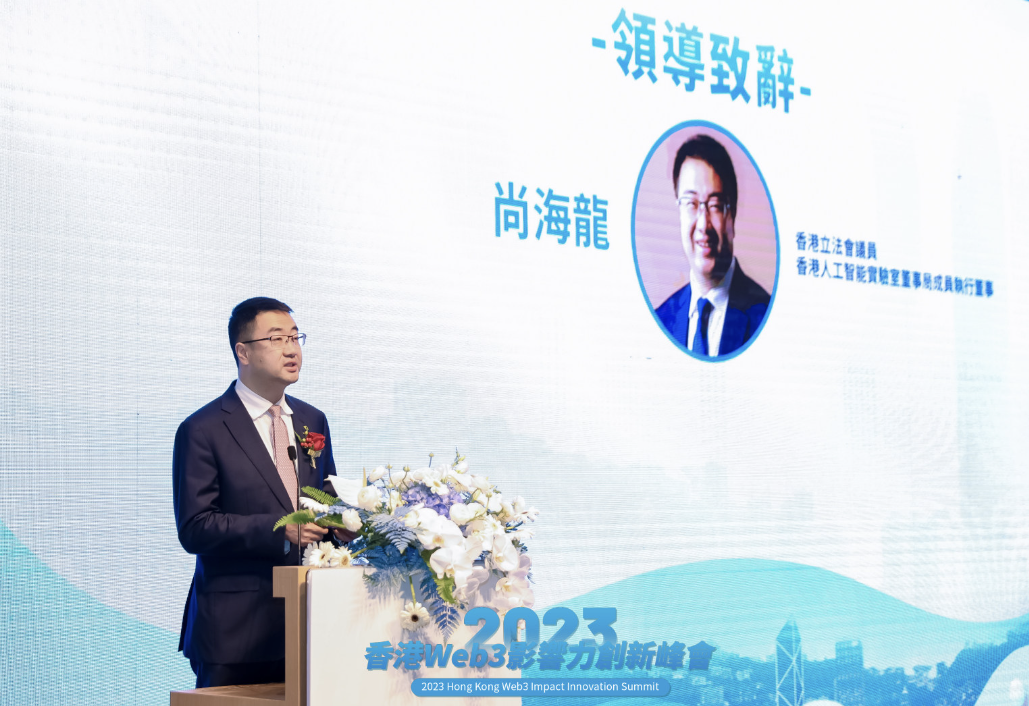
Mr. Shang Hailong, Member of the Legislative Council of Hong Kong and Executive Director of the Board of Directors of the Hong Kong AI Lab, also delivered opening remarks. He noted that amid the opportunities presented by the digital wave, Web3—the value internet—has enabled new business models and innovative application scenarios, delivering novel user experiences and value. However, from a financial regulatory perspective, the emergence and evolution of the value internet must be objectively assessed. While pursuing innovation and reform in Web3’s digital advancement, it remains essential to uphold foundational safeguards and proactively manage risks.
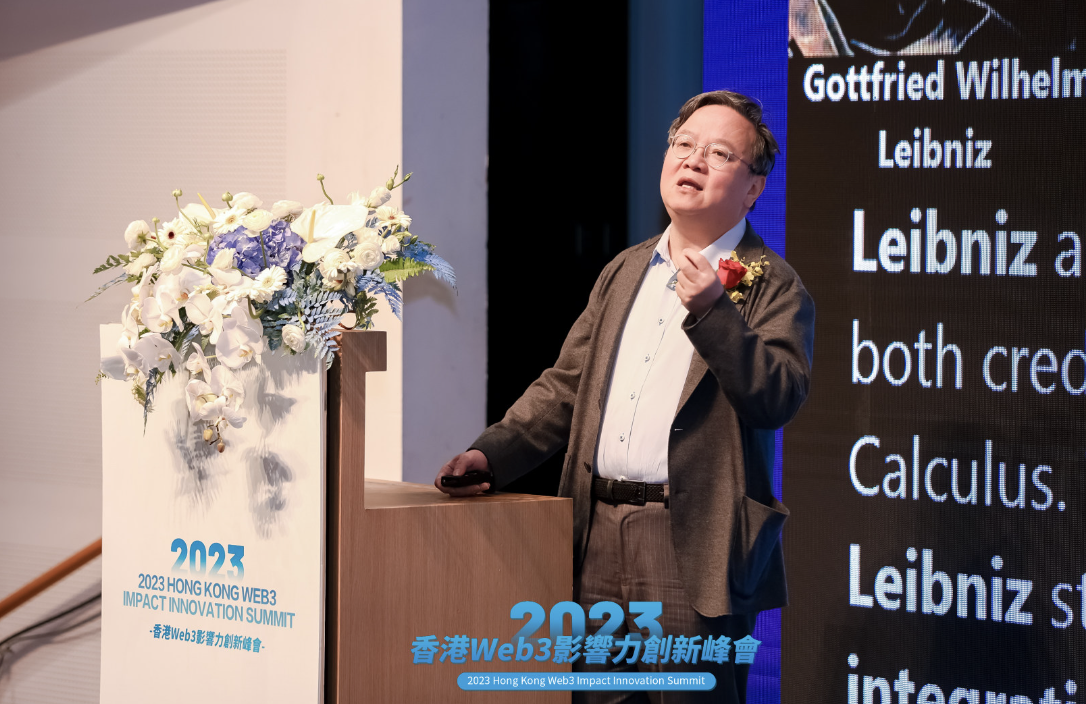
“Without Rules, How Can We Build a ‘Meta’ Universe? — On the Issue of Meta-Language in Metaverse Development”
Professor Guo Yike, Chief Deputy President of the Hong Kong University of Science and Technology, Fellow of the Royal Academy of Engineering (UK), and Member of the Academia Europaea, shared in his speech that the metaverse is a zero-distance society built atop Web3—and defining, naming, and translating such novel concepts is paramount.
The giant wheel of technology spins rapidly across eras: the Internet connected people globally, forming an information transmission network; mobile networks and cloud computing have progressively shrunk distances between individuals, enabling the advancement of information civilization; financial transactions conducted via the Internet gave rise to the digital economy. The zero-distance society is now imminent—the next great technological wave—and the metaverse represents both the technical and economic ecosystem underpinning it, establishing the data-economic infrastructure required for such a society, ultimately achieving human-machine symbiosis within the zero-distance paradigm!
“From Web2 to Web3: Exploring Hong Kong’s Key Opportunities”
Mr. Zhou Chuan, Manager of Corporate Development at Hong Kong Science Park Company, shared in his speech that the future of Web3 is defined by AI (Artificial Intelligence) and blockchain. Hong Kong currently enjoys exceptional timing, geography, and human capital—creating fertile ground for “salt science”: collaborative, mutually beneficial enterprise teams injecting fresh vitality into Hong Kong. As traditional money transforms into digital currency, its value-generation mechanism undergoes profound change—from labor-based intrinsic value to neoclassical principles where tradability itself validates worth. Money exists because we believe in it—not the reverse. In the near term, SuperApps will dominate traffic entry points, with app development costs plummeting and information asymmetry collapsing major platforms; AI will lower marginal costs, lowering barriers to entrepreneurship. Long-term, AI will simplify human endeavors and accelerate scientific discovery—but cannot rule out the possibility of human subjugation.
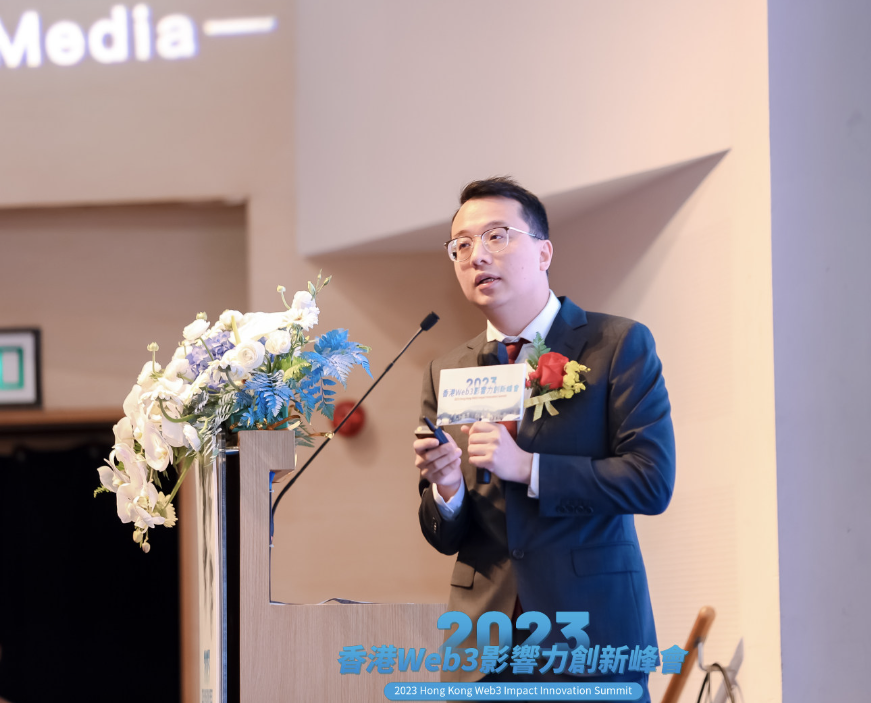
“Hong Kong: The Capital of Meta-Assets — The Physical Anchor of the Metaverse and Web3.0”
Mr. Luo Jinhai, Wenjin Award winner, Founder of the 2140 Metaverse, CEO of Quantum School, and author of “Meta-Assets and Web3.0,” shared in his speech that meta-assets represent sovereign personal wealth. Within metaverse use cases, they exhibit autonomy, privacy, security, scarcity, and liquidity. Digital verification ensures the legal legitimacy of assets—shielding meta-assets from subjective human influence. Leveraging spacetime relativity and wave-particle duality, meta-assets acquire spatiotemporal transversality, bridging the physical and virtual worlds to enable interoperability—making them the physical anchor of the metaverse and Web3.0 in the new era.
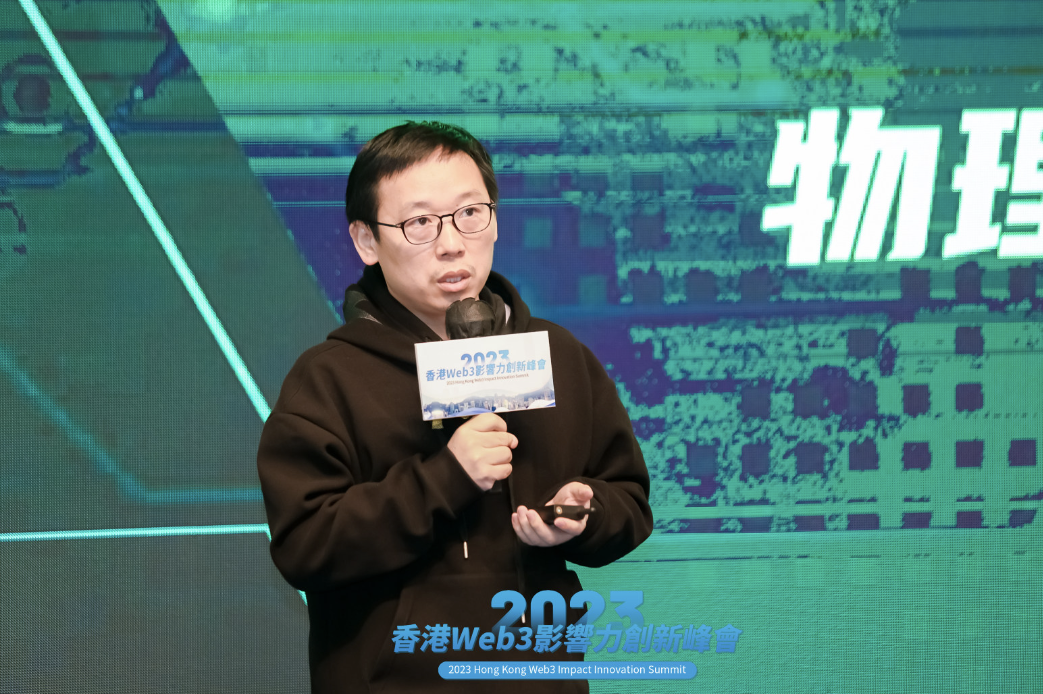
“Comparative Advantage Analysis: Hong Kong as a Global Virtual Asset Hub”
Mr. Wang Xuezong, Founder of Blockchain Economics, Golden V Economist on Weibo, and “Father of China’s Virtual Phone Numbers,” shared in his speech that becoming a global virtual asset hub presents a new opportunity for Hong Kong’s prosperity. Today, the three primary challenges confronting major global economies are monetary overexpansion, pandemic-induced economic damage, and the urgent need for a wealth-increment revolution. Amid uncertainty about a potential financial crisis in 2023, the composition of international financial centers is undergoing transformation. Compared to competing for global virtual asset leadership, Hong Kong possesses five key comparative advantages: (1) the invaluable historical legacy of “One Country, Two Systems”; (2) geo-economic integration into the Guangdong-Hong Kong-Macao Greater Bay Area, backed by mainland China; (3) a mature legal and regulatory framework; (4) the digital Hong Kong dollar (e-HKD); and (5) foundational strengths as an international financial center. Ultimately, Hong Kong’s new strategic positioning should emphasize three pillars: a trade and logistics hub, a financial center, and an innovation and trading hub for virtual assets.
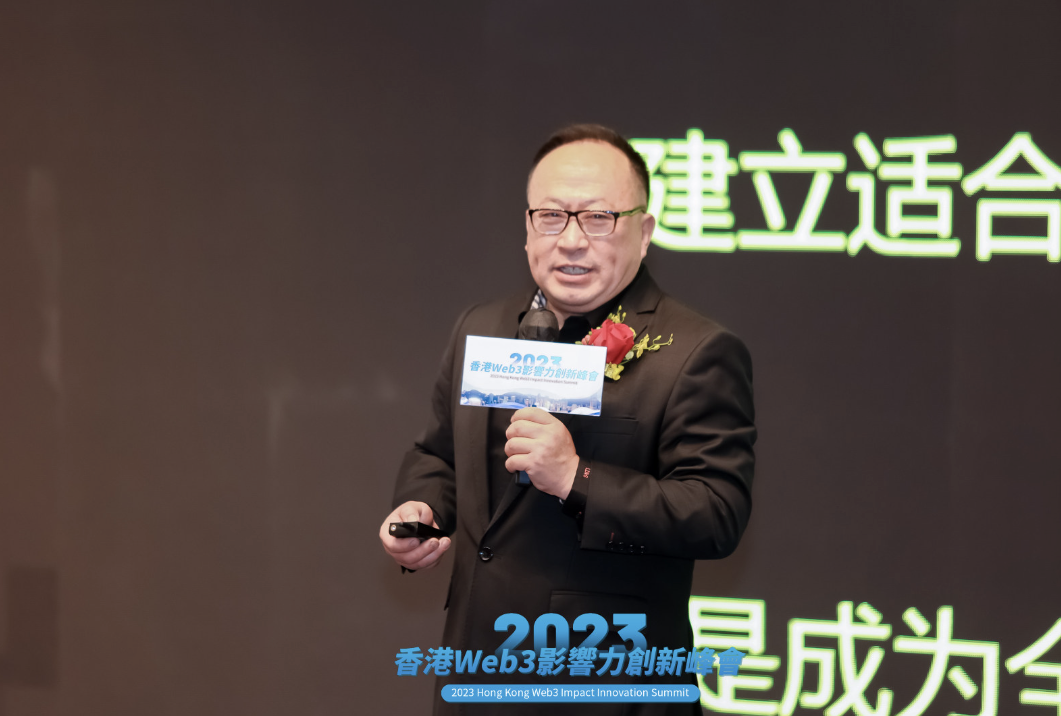
“New Cultural Tourism, New Spatial Experiences, New Development Under Full-Reality Interconnection”
Ms. Liu Yan, Solutions Expert for Government & Enterprise at Tencent, emphasized viewing the metaverse not purely through a virtual lens, but rather from the perspective of digital-physical integration. In this context, “full-reality interconnection” more accurately captures the essence of the metaverse. Full-reality interconnection encompasses a suite of technologies and innovative digital-physical fusion models—enabling comprehensive perception, connection, and interaction with the real world across multiple devices and modalities—delivering significant enhancements for individuals, enterprises, organizations, and society at large. As core enablers of full-reality interconnection, video/live streaming and remote interaction are converging with IoT, extended reality (XR), haptic feedback, and brain-computer interfaces—deeply integrating digital economy and physical industries. This shifts the relationship between digital and physical realms from mere connectivity to dynamic interaction, marking a major breakthrough. Looking ahead, over the next two decades, maturing technologies—including digital twins, blockchain, XR, quantum computing, and brain-computer interfaces—will unlock widespread adoption of frontier applications and breakthrough capabilities in full-reality interconnection, comprehensively supporting remote interactive video/live streaming, ubiquitous intelligence, infinite computing power, and trusted protocols.
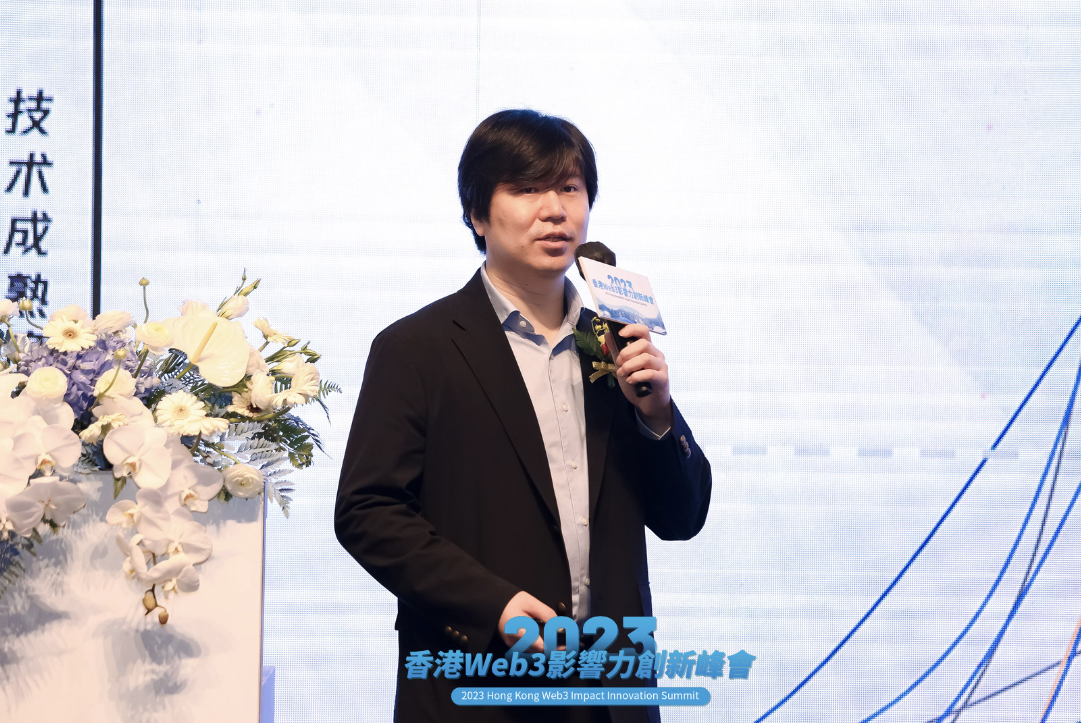
“Technological, Economic, and Governance Challenges in the Metaverse and Web3.0 Era”
Zhao Yong, CTO and Co-Founder of the Future Metaverse Foundation, shared in his speech that the metaverse represents a new digital parallel world. In the Web3 era, infrastructure development becomes especially critical. Core elements of the metaverse include identity, assets, social structures, economics, content, and interaction systems. The Web3 era signifies a new generation of internet ecosystems where data sovereignty and asset sovereignty are returned to individuals. Every action and creation can receive commensurate value rewards, ultimately achieving an effective integration of social collaboration, governance, and value distribution. Guided by this vision and commitment to innovative technology R&D, BFMeta—the global metaverse public blockchain—is poised to deliver distinctive outcomes.
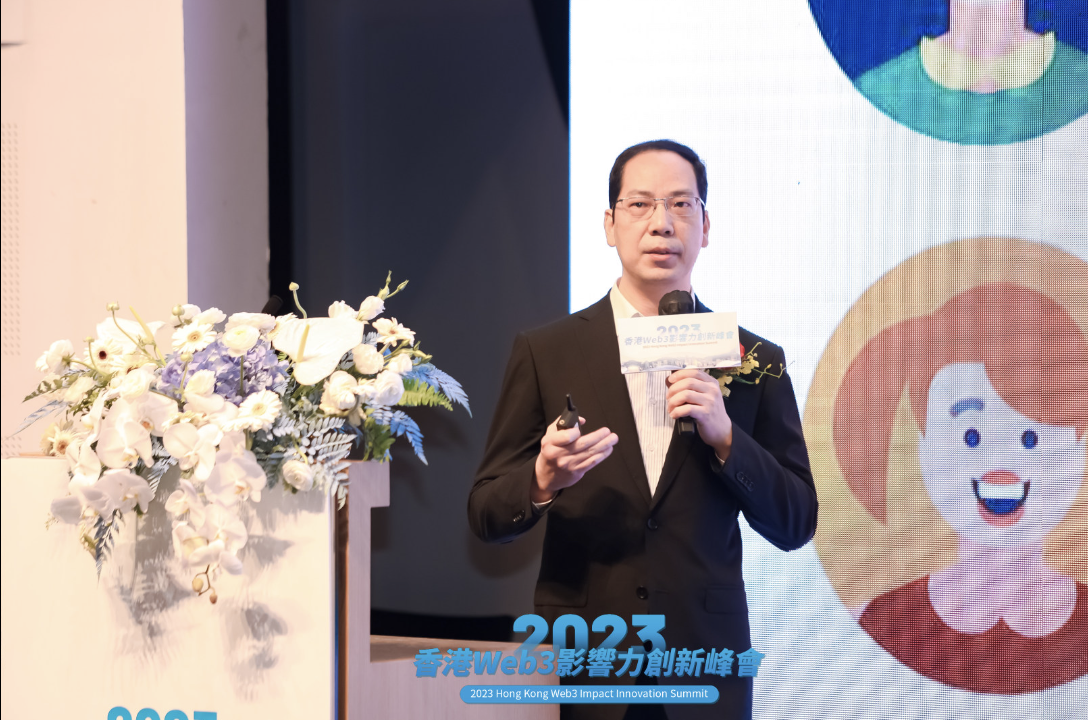
“Data EPO: New Wealth Challenges Brought by AIGC”
Zhou Xiangyang, Secretary-General of the Research Task Force on China’s Digital Economy Industry Development, delivered a comprehensive analysis covering both the value and circulation of data. As history marches forward, data has become the new wealth in the Web3 and AIGC era—its value manifesting in supporting scientific research, personalized services, and more. Data is no longer what it used to be. Key business activities enabling data circulation include Data EPO services, data brokerage, industry value-added services, and industrial operation services. Each era’s evolution in forms of wealth signals corresponding shifts in rules—and clearly, Hong Kong is well-prepared to propel the giant wheel of digital finance forward.
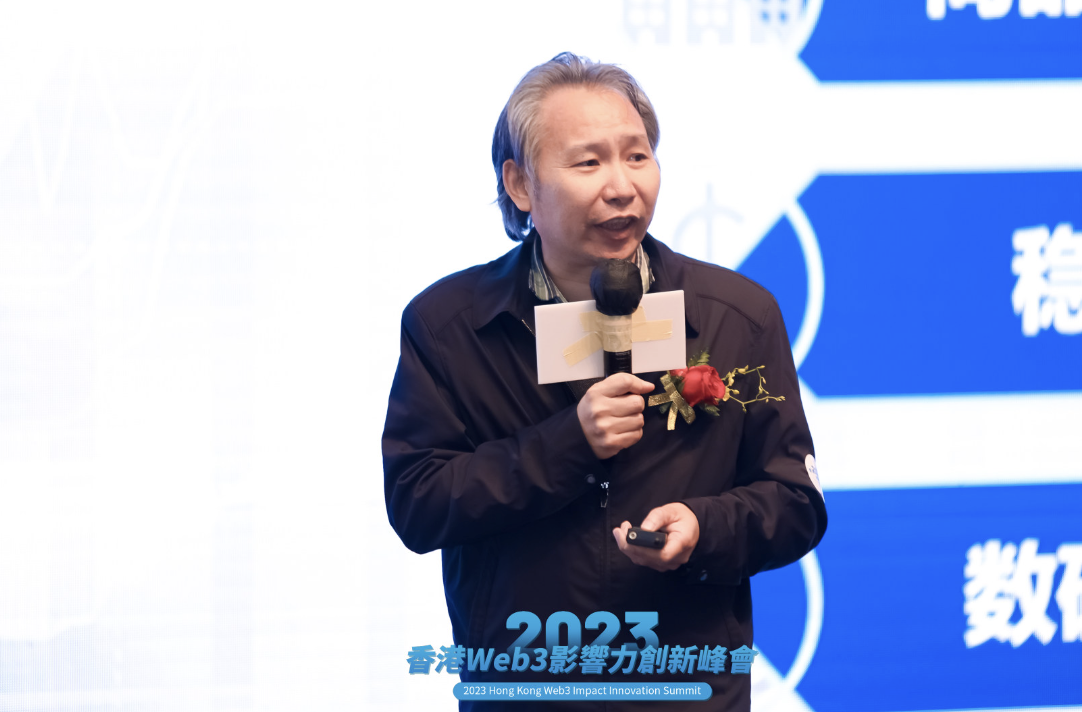
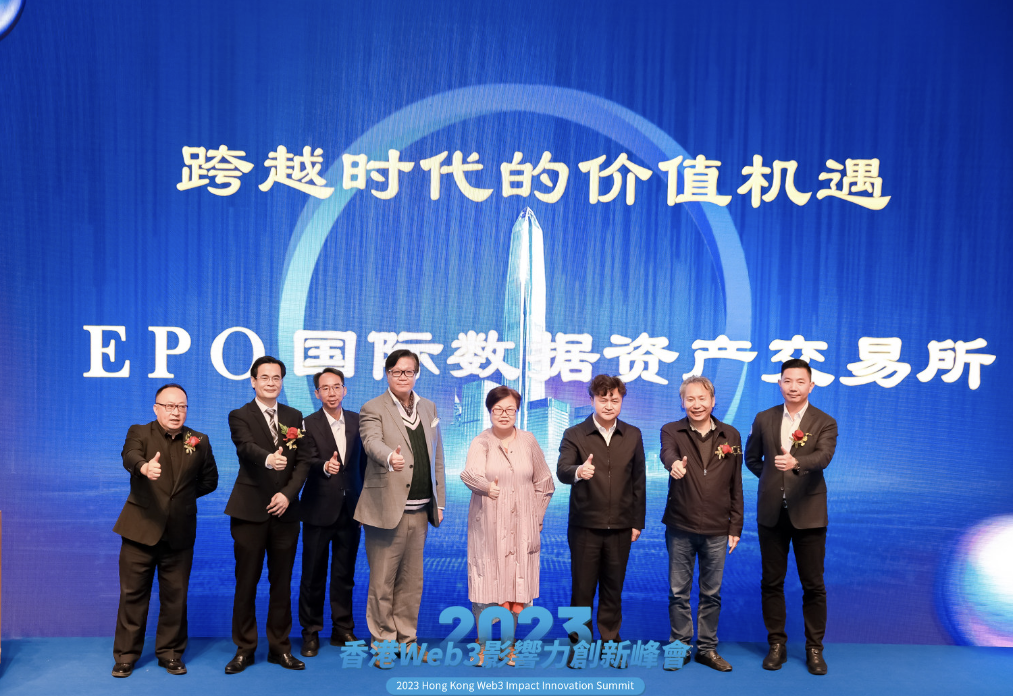
Inauguration Ceremony of the EPO International Data Exchange
Zhou Xiangyang (Secretary-General of the Research Task Force on China’s Digital Economy Industry Development), Feng Chengjiang (Chairman of the Guangdong-Hong Kong-Macao Greater Bay Area Culture Development Committee of the Chinese Eastern Culture Research Association), Zhu Xinlan (Chairman of the Guangdong-Hong Kong-Macao Greater Bay Area Business Federation), Zhou Weixiong (Chairman of the Fintech Committee of the Professional Association for Cloud and Mobile Computing), Zou Tian (President of the Guangdong-Hong Kong-Macao Greater Bay Area Education Development Association), Cai Zhichuan (President of the Asia Blockchain Society), Wang Xuezong (Founder of Blockchain Economics, Golden V Economist on Weibo, “Father of China’s Virtual Phone Numbers”), Chen Nanping (Founder of Panstone Fund), and He Wei (President of Shenzhen Daxin Geek Association), among other distinguished guests, jointly took the stage to launch the EPO International Data Exchange. The inauguration ceremony was held with great fanfare, marking the dawn of a new era for intellectual property trading. It provides a more convenient, efficient, fair, and transparent service platform for the global exchange and application of patented technologies. Going forward, the EPO International Data Exchange will further enhance its services to contribute more significantly to global innovation and development.
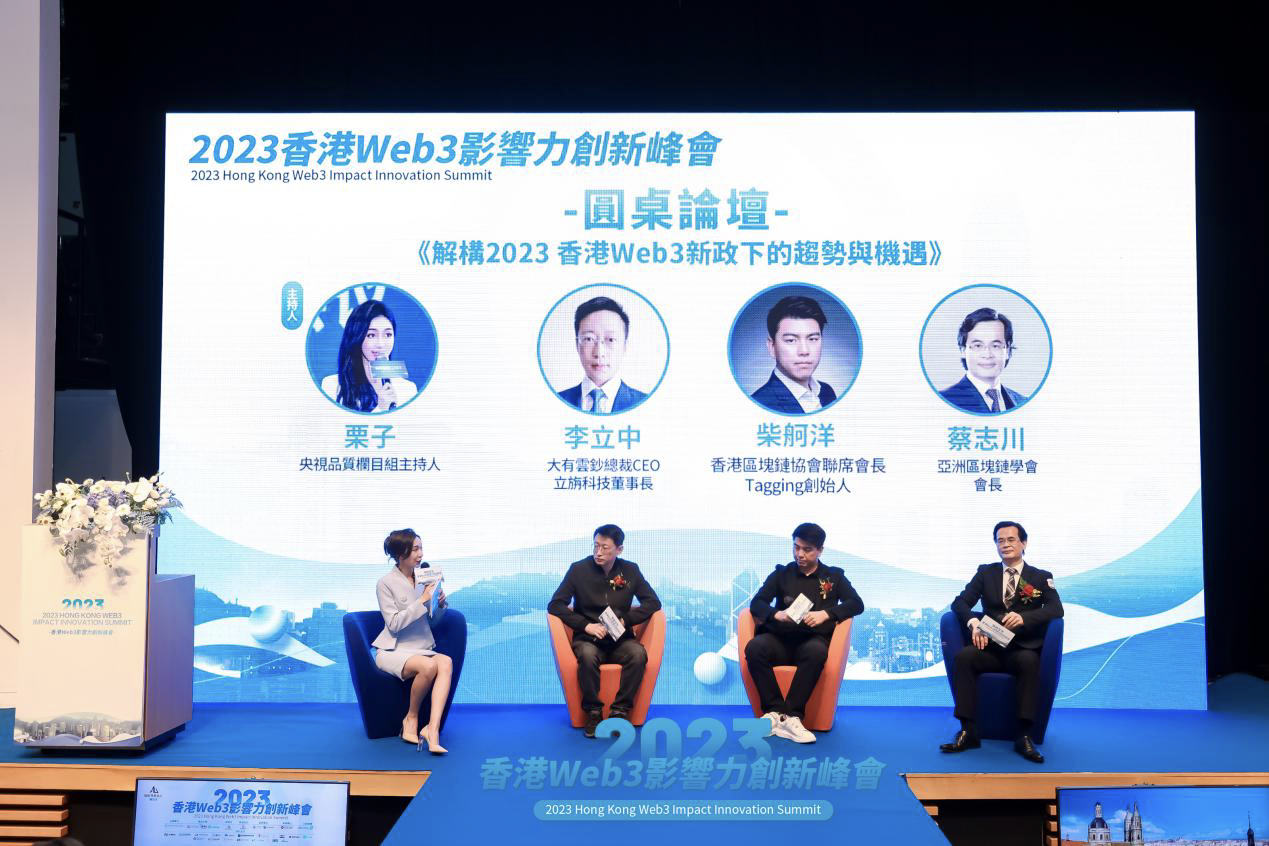
Roundtable Discussion: Deconstructing Trends and Opportunities Under Hong Kong’s 2023 Web3 Policy
The roundtable discussion featured Li Zi, host of CCTV’s quality programming segment, as moderator. Panelists included Li Lizhong (CEO & President of Dayou Cloud Currency and Chairman of Lizhan Technology), Chai Geyang (Co-Chairman of the Hong Kong Blockchain Association and Founder of Tagging), and Cai Zhichuan (President of the Asia Blockchain Society), who collectively explored trends and opportunities under Hong Kong’s 2023 Web3 policy.
Regarding key focuses of the Web3 era and which sectors will see “surging enthusiasm” over the coming years, Li Lizhong offered his personal insights: “Web3 is essentially an application layer built upon foundational technologies such as artificial intelligence, blockchain, big data, virtual reality, and the Internet of Things. The ultimate application scenario for these technologies is the metaverse.” Web3 is a new concept aligned with the tide of the times, emerging specifically to address challenges posed by the intelligent era. Restructuring production relations through Web3 applications—and enabling public participation in surplus-value distribution—is critically important.
On enterprises establishing operations in Hong Kong to build Web3.0 infrastructure, Chai Geyang shared his interpretation of Hong Kong’s policies: “Absolute decentralization cannot guarantee security or regulatory oversight.” Hong Kong has excelled at attracting talent, capital, and top-tier Web3 enterprises. Although compliance and security issues have historically plagued the Web3 industry, the Hong Kong government has expressed strong support for Web3, aiming to embrace Web3 enterprises through compliant frameworks. For entrepreneurs and investors alike, compliance is a crucial issue—as it directly impacts whether projects can enter and exit markets lawfully. The Hong Kong government’s support for compliant Web3 development bodes well for the long-term growth of Web3 enterprises.
Facing competition from digital financial centers across Asia and Europe, what opportunities and advantages does Hong Kong possess? Cai Zhichuan stated: “Hong Kong’s advantage lies in its status as a global financial center—characterized by free capital flow, a robust legal system, stable financial markets, and concentration of talent.” Last year, the Hong Kong government issued a declaration on virtual asset development. With pandemic restrictions easing, Hong Kong has become the global focal point for virtual asset attention. As a global wealth hub, Hong Kong hosts 15,000 individuals holding over USD $30 million in assets—but virtual assets currently represent only a tiny fraction of their portfolios, indicating enormous future potential. The Hong Kong government is vigorously promoting virtual asset development and plans to establish the Hong Kong Web3 Association next month, backed by official government support and open policy frameworks.
Roundtable Discussion: 2023 Web3 Investment Trends — How VCs Break Through and Position Themselves
This roundtable invited Wang Chao (host of CCTV’s Discovery Journey), Chen Nanping (Founder of Panstone Fund), Wang Xiaoyan (Chairman of Hangzhou Turing Asset Management Co., Ltd. and Forbes China “30 Under 30” honoree), and Pan Junyu (Chairman of the Asia-Pacific Blockchain Federation and Hong Kong Member of the 13th CPPCC Jiangsu Provincial Committee) to discuss the topic “2023 Web3 Investment Trends: VC Positioning and Breakthrough.”
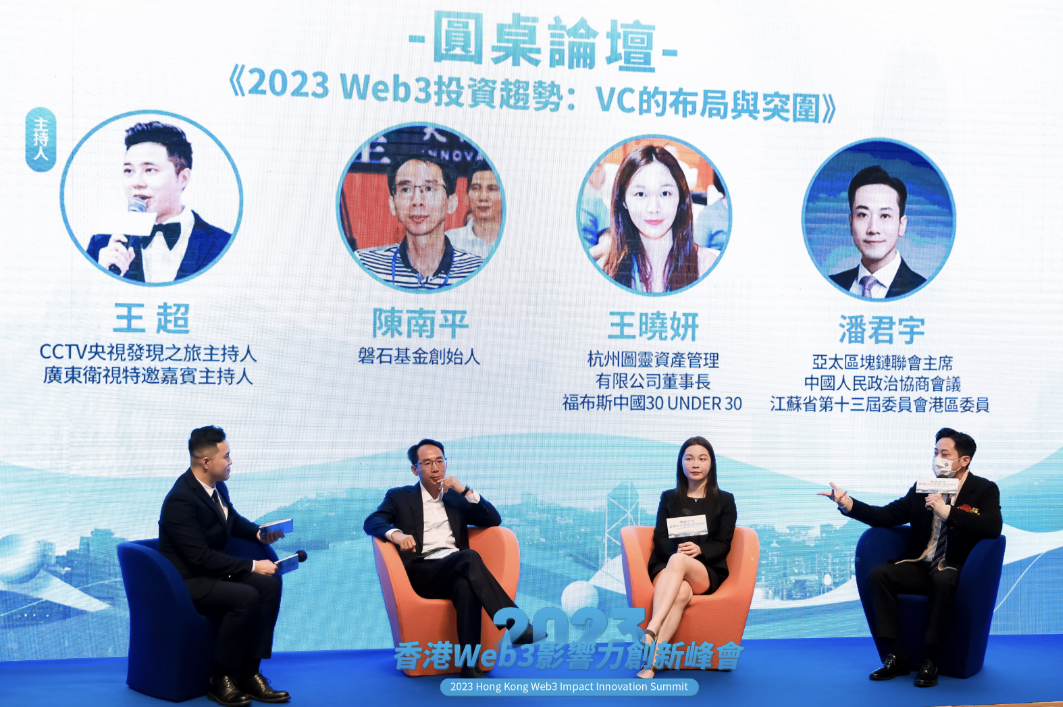
Wang Xiaoyan shared her views: First is the blockchain sector—including public and private chains and related technologies; second is NFTs, applicable across gaming, entertainment, art, and other domains. Additionally, integrating blockchain and NFTs into DeFi enables technological innovation. AI is likewise extremely hot—for instance, OpenAI’s GPT, with its deep self-learning and creative capabilities, represents an entirely new frontier. Early-stage seed projects within these fields are particularly attractive, and the underlying logic of Web2 and Web3 differs significantly. Blockchain technology has accumulated profound depth over the past one to two decades—and now stands at an exceptionally favorable inflection point.
Chen Nanping noted that from Web1 (Sina, Sohu) to Web2 (Tencent, TikTok) and onward to Web3, Web3 not only enables interaction but also facilitates richer information exchange—including applications, data, and markets. Web3 can be divided into four layers: infrastructure, software, interaction, and application. At the application layer, priority should be placed on real-world domain needs—such as physical and mental health, education, and dating/social platforms.
Pan Junyu offered his perspective: Entrepreneurs should align ventures with personal interests and technical backgrounds—not necessarily chasing trends. Instead, they should seize future opportunities—such as the metaverse, e-commerce, and digital RMB. In the Web3 era, collaboration is essential, and many tangible values of NFTs remain undiscovered; future digital authentication could add substantial value to physical assets.
Demo – MERRILL Intelligent AI Quantitative System
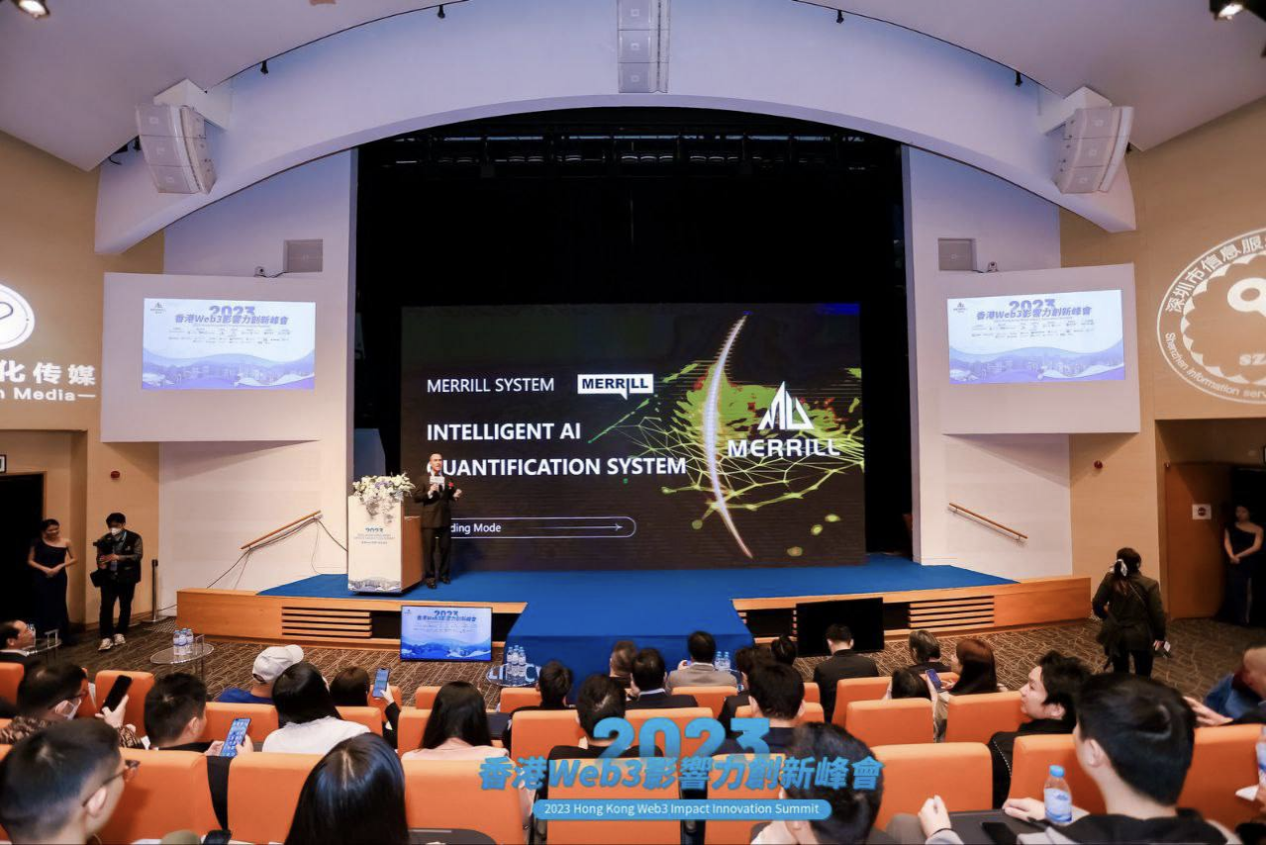
MERRILL—the summit’s title sponsor—delivered an outstanding presentation. Richard, Chief Analyst at MERRILL, introduced the “MERRILL Intelligent AI Quantitative System” in detail, outlining MERRILL’s business model and expansive growth prospects. He explained that the MERRILL SYSTEM (abbreviated ML), recognized as a world-class intelligent AI quantitative system, aims to provide intelligent decision-making for systematic trading across global cryptocurrency, options, and futures markets. Leveraging professional data analytics and quantitative strategies, along with technical methodologies and trend-based commercial models, ML identifies optimal 2023 crypto market investment portfolios. Its distributed ledger technology innovatively and profitably explores the unknown—continuously pursuing stronger performance and more perfect arbitrage opportunities to generate profits. The MERRILL SYSTEM intelligent AI quantitative system and its ecosystem partners aim to resolve trust issues in digital financial activities, delivering revolutionary distributed digital financial services to users worldwide.
Demo – NFT China
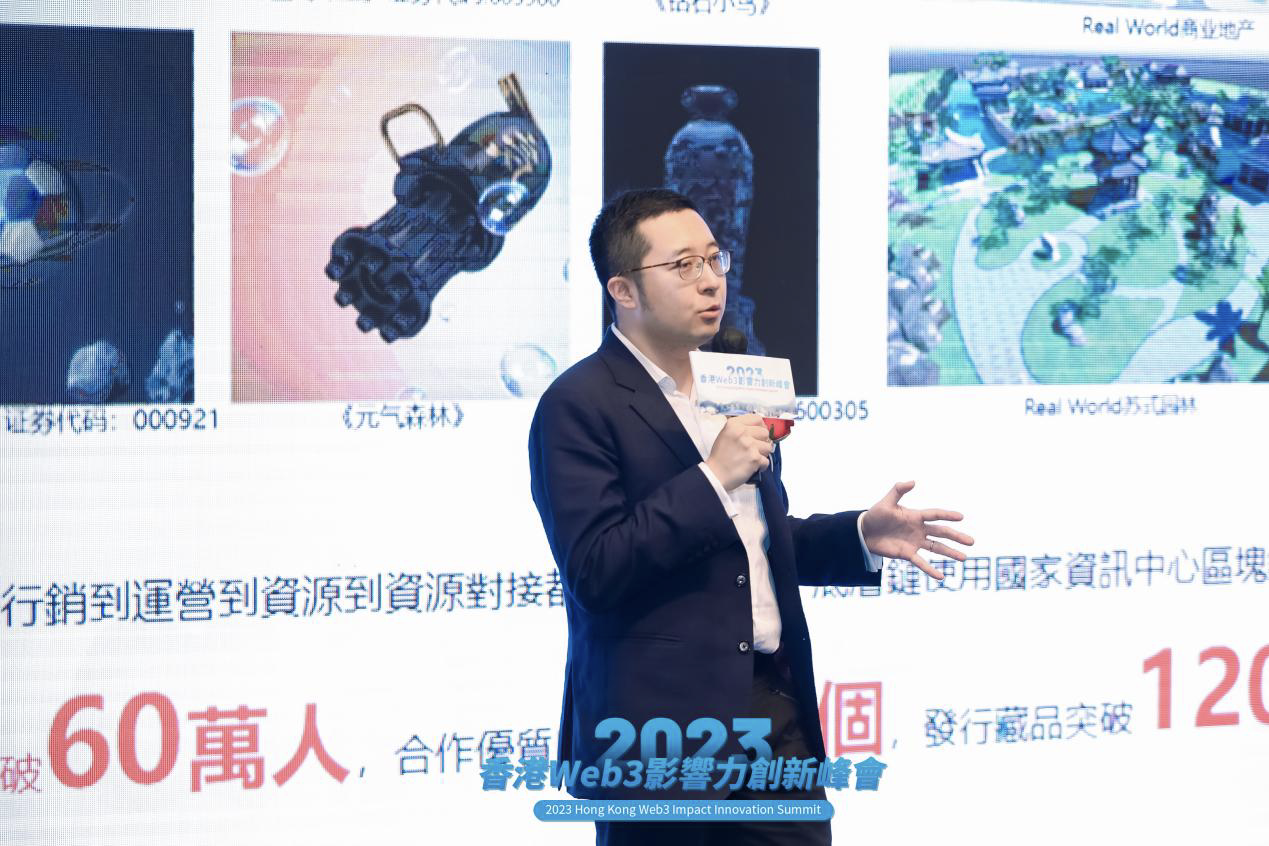
Fu Rao, Executive Director of the Hong Kong Institute of New Economy and CEO of NFT China, delivered a roadshow presentation titled “NFT China.” He stated that public blockchains—fully decentralized blockchains—are now widely adopted across industries. Any application scenario requiring high levels of trust, security, and persistence is influenced by public blockchains, whereas private or consortium blockchains are more commonly deployed in scenarios demanding stringent privacy protection and internal regulatory compliance. Therefore, NFT use cases are not entirely suited for consortium blockchains; public blockchains hold distinct advantages here. With the release of favorable policies in Hong Kong and ongoing market development, globalization of the NFT industry represents a highly promising direction. Number Collection China has already taken the first step, and what follows will be a flourishing, diverse ecosystem.
Demo – Waynance Universal Cryptocurrency Payment
Li Zhule, Market Manager of Waynance Asia, delivered a roadshow presentation titled “Waynance Universal Cryptocurrency Payment.” He deeply analyzed Waynance’s robust capabilities as a future-leading payment solution, highlighting 16 key features of the Waynance payment system—including QR-code and NFC payments tailored to different countries and regions, and on-chain asset compatibility.

Demo – X Metaverse Pro Ecosystem
Ivan, CMO of X Metaverse Pro, shared insights on the X Metaverse Pro ecosystem. He noted that X Metaverse Pro aims to bridge social interaction and crypto-market digital assets, focusing on delivering professional trading tools, investment strategies, and portfolio management to investors worldwide. The platform fully adopts DAO governance and already boasts over one million community members. Highly accessible and fully transparent, the X Metaverse Pro platform powerfully unites like-minded investors, enabling retail users to trade directly with professional traders—and allowing professional traders to share and deploy optimal strategies in real time.
Demo – Fibonacci Public Chain Ecosystem
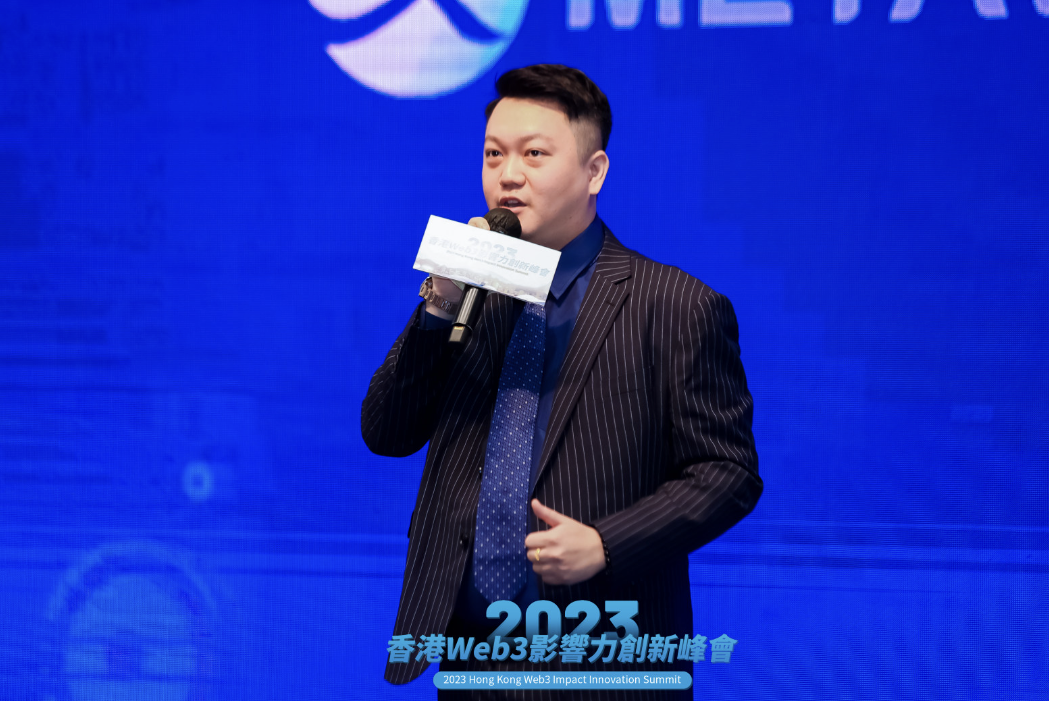
Kevin, Co-Founder of Fibonacci and Board Member of the Fibonacci Foundation, shared insights on the Fibonacci public chain ecosystem. Kevin provided an in-depth analysis of Fibonacci’s foundational architecture across four dimensions: interoperability and scalability; enhanced smart contract execution efficiency and compatibility; improved ledger storage, read performance, and reliability; and a widely recognized consensus algorithm combined with a low-barrier infrastructure for rapid decentralized application (dApp) development. Moving forward, the Fibonacci public chain will continue pursuing innovative opportunities in the Social era.
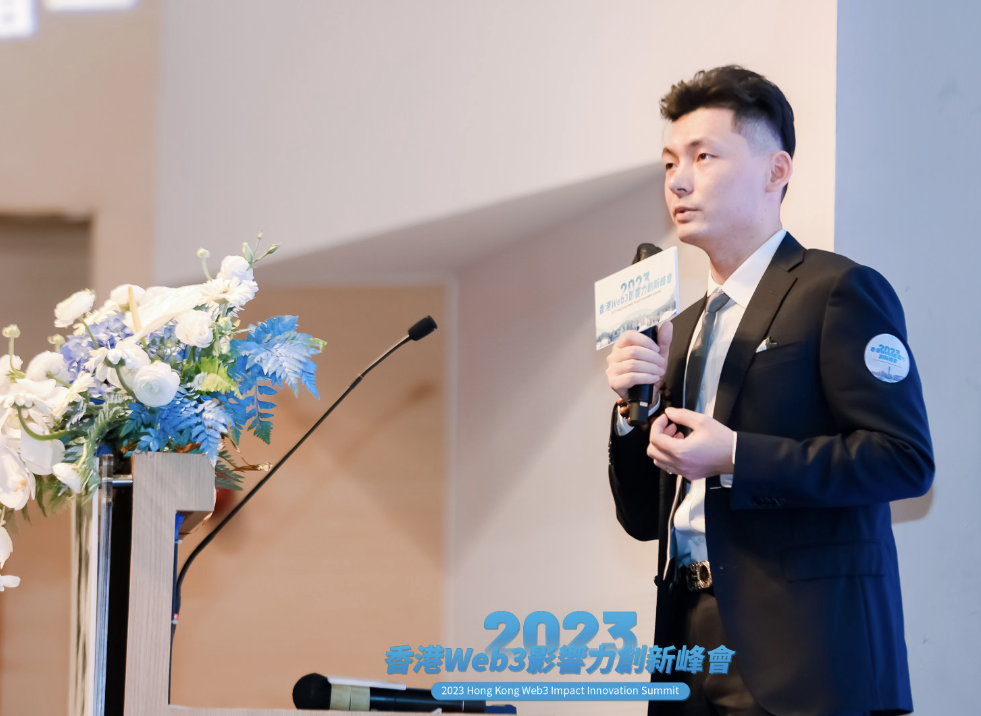
Demo – On-Chain AI + Cross-Chain Oracle: Building the Next-Generation Web3.0 Ecosystem
Joey, Founder of Plug Link Fund and PlugChain Builder, delivered a roadshow presentation titled “On-Chain AI + Cross-Chain Oracle: Building the Next-Generation Web3.0 Ecosystem.” He emphasized that intelligence and convenience in the Web3.0 ecosystem rely heavily on IoT and AI training using “data.” Whether a rich Web3.0 ecosystem can be built ultimately depends on oracles—since they serve as the “source” of data input into the Web3.0 world. Their value and potential are self-evident. Currently, PlugChain is focused on on-chain AI and cross-chain oracles, steadily advancing its development.
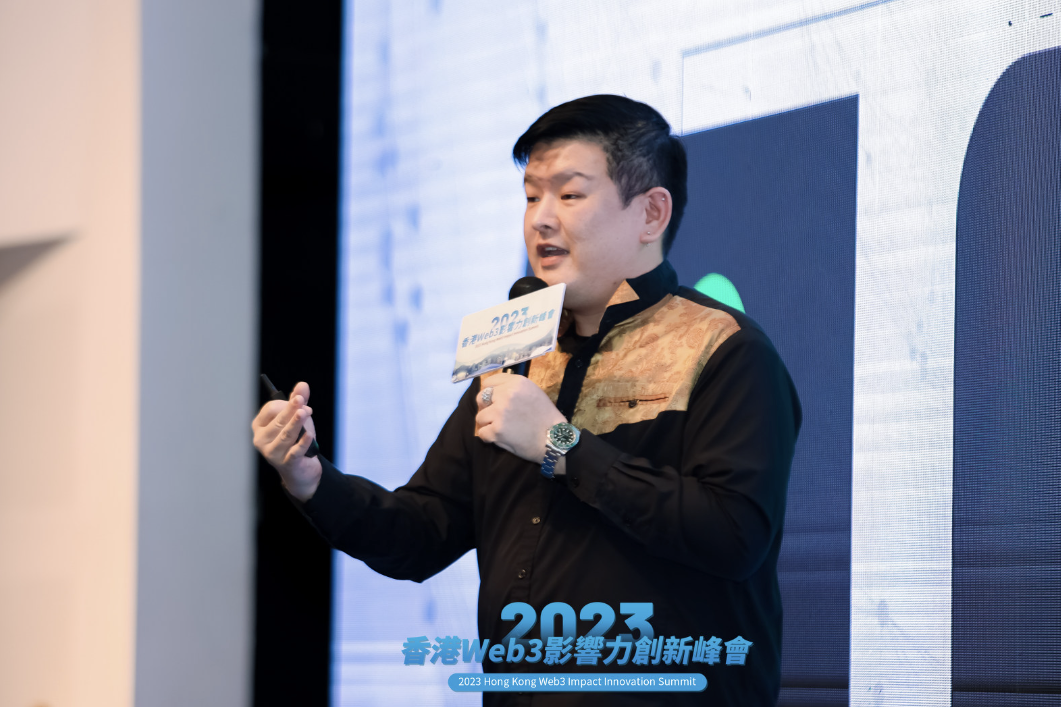
Demo – LUCKY BIRD DAO
Wade, Founder of Vida Crypto Capital, Founder of the Extraordinary Yacht Club, XRP (Ripple) Validator Node, and representative of LUCKY BIRD DAO, delivered an insightful presentation. He stated that current education reform requires institutional innovation—especially within the digital asset industry—where decentralized education is becoming increasingly critical. As a globally leading decentralized education platform, Lucky Bird helps drive systemic educational transformation and accelerate the evolution of education systems. Lucky Bird aims to leverage blockchain technology to seamlessly connect educational resources and users, ultimately achieving full decentralization and establishing decentralized education as the mainstream paradigm of the future world.
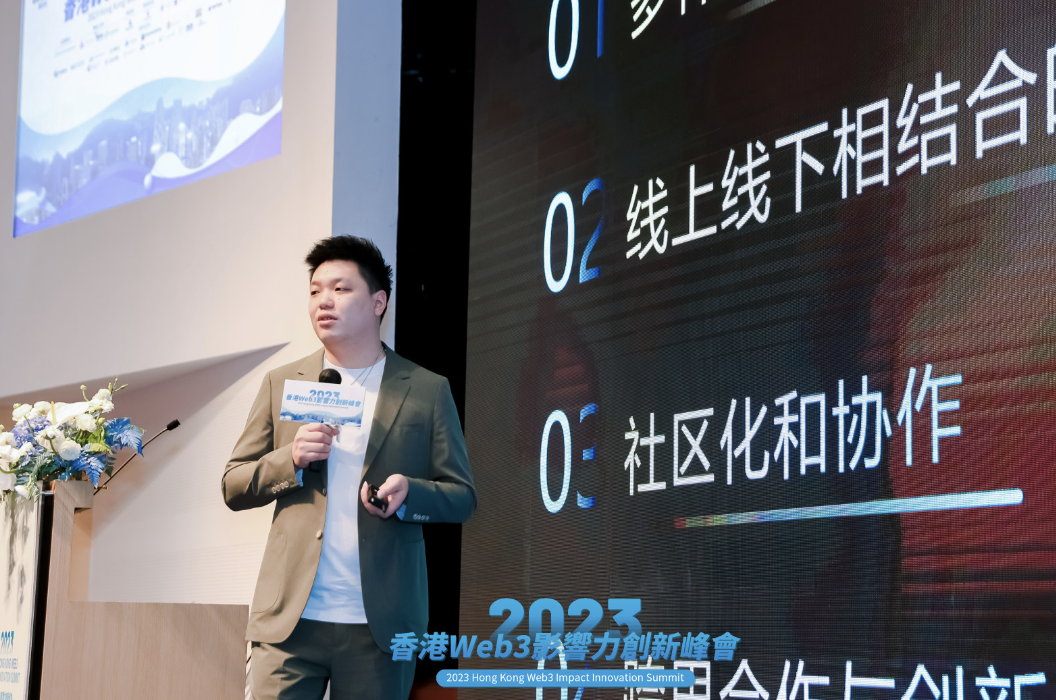
At the 2023 Hong Kong Web3 Impact Innovation Summit, attendees collectively witnessed the dawn of a new era of Web3 interconnectivity and the pinnacle of digital finance.
The successful hosting of this summit provides vital inspiration and guidance for future technological and business innovation. We believe Web3 digital finance will continue serving as a major engine driving the global economy—and will simultaneously bring forth greater opportunities and challenges. Going forward, continuous advancement in both technology and business innovation will be essential to adapt to this ever-evolving world. With winds rising over Hong Kong, standing tall at Asia’s peak, and competing globally for leadership in the digital realm—the 2023 Hong Kong Web3 Impact Innovation Summit concludes perfectly!