

How far are we from widespread, real-world blockchain adoption?
Is full decentralization even achievable?
If you're pondering these questions, our "Visionary Future" Salon is for you.
The 19th edition of the "Visionary Future" Salon, a special session titled "Enterprise Digital Transformation: The Final Mile," concluded successfully on November 4th in Hangzhou. Centered on the theme "How Blockchain Technology Sets Industry Trends," this offline event sparked deep discussion.
Blockchain is more than technology—it's a new framework for social relations.
"What societal changes will blockchain bring? Why is it a national strategic priority?" Professor Liu Jiahai began his talk with these provocative questions.
Professor Liu, a faculty member at Zhejiang University's College of Computer Science and Technology and Secretary-General of the Hangzhou Blockchain Technology and Application Federation, presented on "How Blockchain Technology Builds Societal Trust."
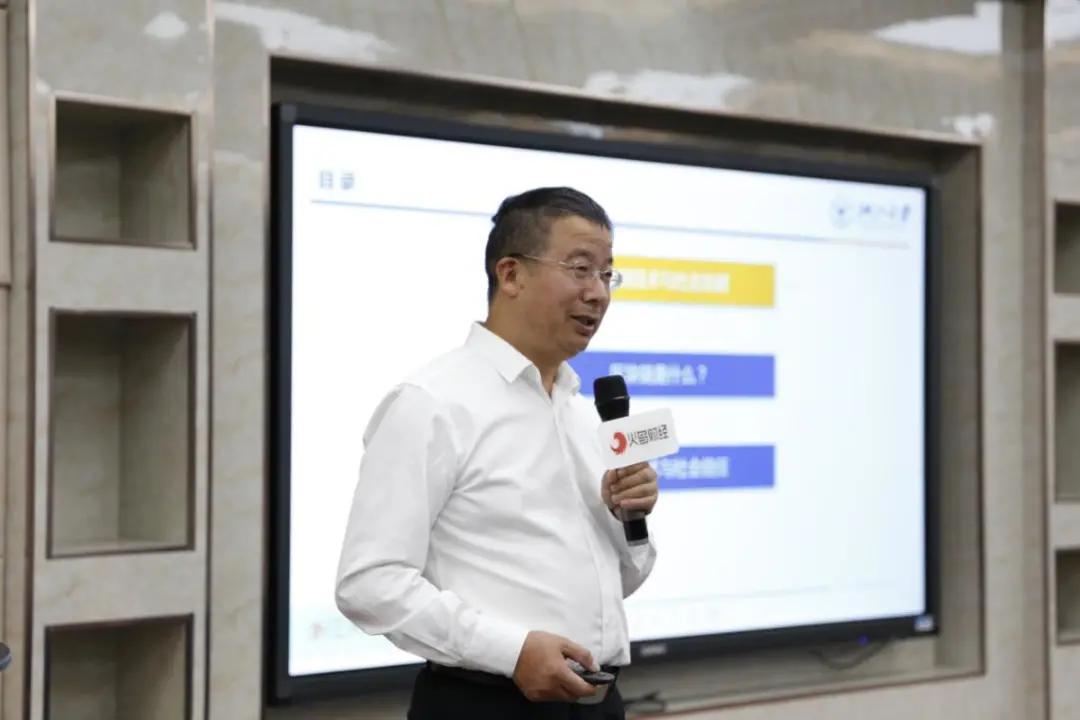
Using the relatable example of "rental housing," he illustrated blockchain's core value. Housing is a fundamental need, yet both landlords and tenants often worry about intermediary reliability. These companies manage properties from owners and lease them to tenants. If an intermediary fails, landlords lose income and tenants face eviction—a scenario seen in recent "long-term rental platform collapses."
So, what's the solution?
"The issue isn't with landlords or tenants, but with the centralized intermediary," Professor Liu explained. "We need a paradigm shift."
"Imagine if every payment were recorded in a shared ledger—a record made public so everyone holds a copy. If someone tries to default by altering their copy, they cannot change everyone else's. Their tampered data would be instantly flagged as invalid. Attempting to modify all copies simultaneously would be prohibitively costly and complex."
"Society runs on trust, and blockchain provides the mechanism to build it," Professor Liu concluded. "At its heart, blockchain is not just a technology; it's a new kind of social contract."

During the Q&A, when asked "How should we interpret decentralization?", Professor Liu responded: "Technology serves humanity, and human organization is inherently centralized. Therefore, the pure concept of decentralization has gradually evolved."
Asked for a timeline on mass blockchain adoption, he offered a succinct answer: "N years." He elaborated, "Large-scale deployment will only happen when the technology aligns perfectly with human thought patterns and societal readiness."
From the Internet of Everything to the Internet of Blockchains: How Open Source Builds Trust
"If your code isn't open source, improving system performance means building everything from scratch—increasing costs more than tenfold," said Wu Sijin, Founder & CEO of 33 Complexity Beauty, emphasizing the critical role of open source.
In his keynote, "How Blockchain Empowers the Revival of China's Real Economy," Wu traced the journey from open-source technology to practical implementation, envisioning a shift from the Internet of Everything to an Internet of Blockchains. He highlighted how blockchain's unique properties are poised to drive profound societal transformation.
p>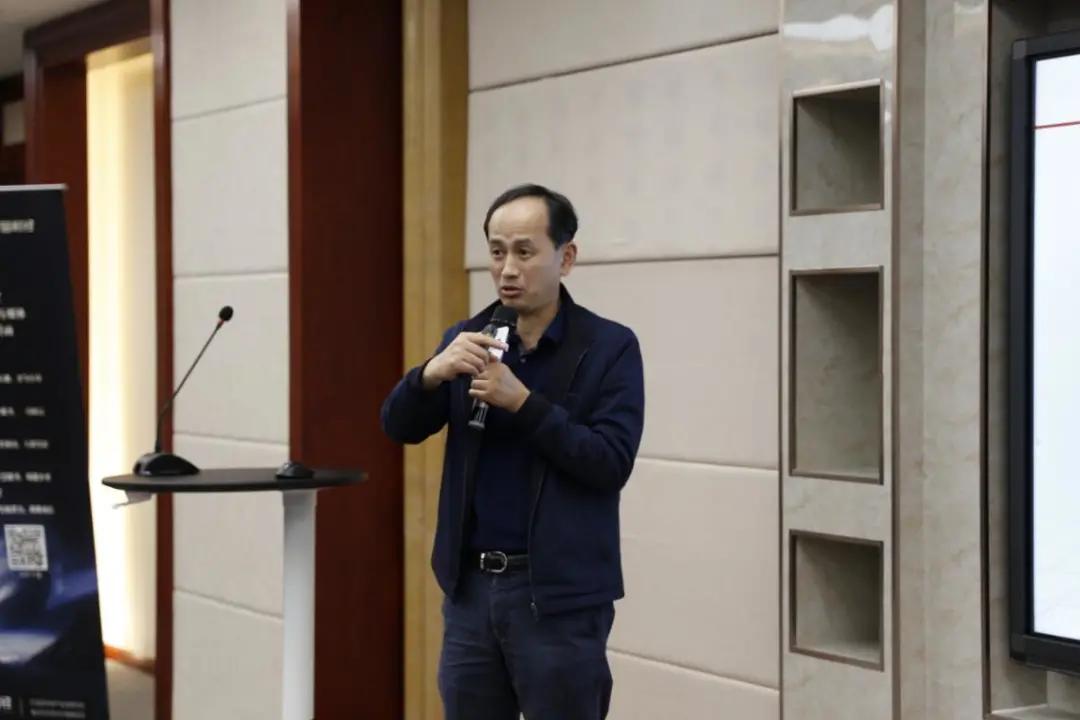
Wu noted that 33 Complexity Beauty possesses deep technical expertise and a strong commitment to open source. "Core platforms like Android and Linux thrive because they're open source—they lower barriers, facilitate learning, and encourage developers to contribute."
On real-world applications, he shared concrete use cases including anti-counterfeiting, supply-chain finance, instant messaging, and e-commerce, where blockchain empowers data owners while safeguarding privacy.
Making Apparel Industry Transactions Safer with Blockchain
How does blockchain create tangible value in specific sectors?
Chen Gang, Founder & General Manager of ZheShen Supply Chain and a Supply Chain System Expert at Zhejiang Province's Garment Industry Innovation Service Complex, provided a clear answer. His presentation, "Using Blockchain to Mitigate Risks in the Apparel Industry," offered a compelling case study.
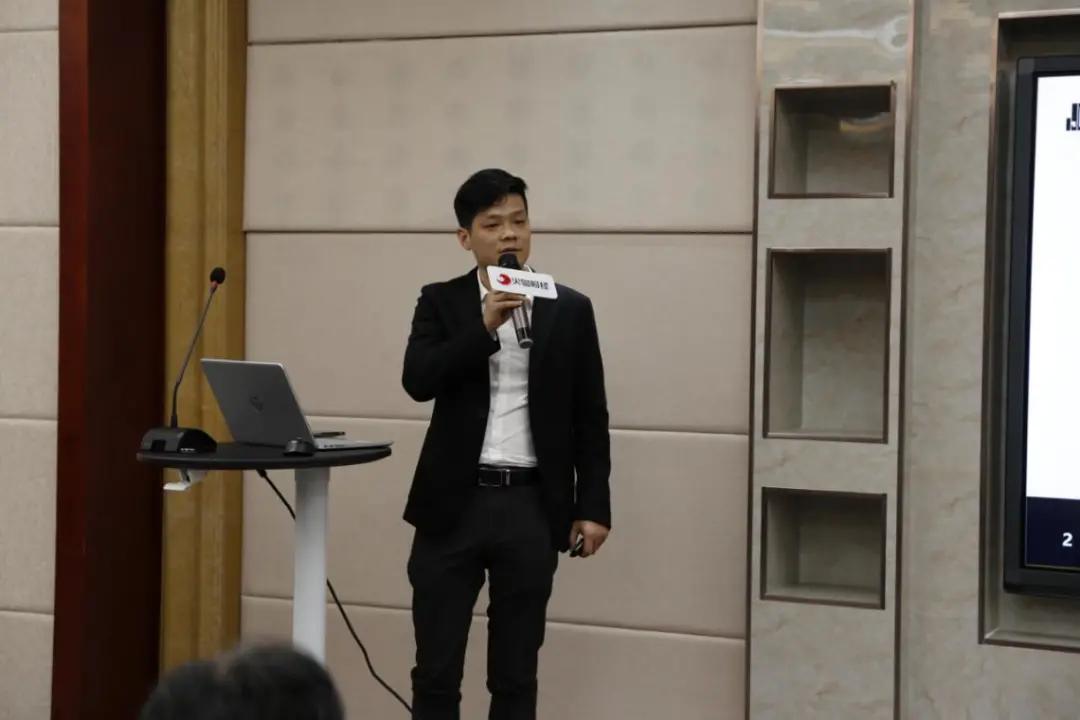
Chen Gang explained that China's apparel industry is massive, with the domestic market exceeding RMB 1.8 trillion as early as 2018. However, rapid growth has exposed quality and trust issues across the complex supply chain. "Challenges exist at every stage—from fabric sourcing and manufacturing to design and final sales—particularly concerning risk management and transaction security."
"Blockchain technology makes transactions in the apparel industry safer and more equitable," he stated. Using the ZheShen Apparel Blockchain Application Platform as an example, he illustrated its trust-building mechanism: "By establishing a consortium blockchain, we integrate commercial banks, insurers, logistics firms, internet courts, notaries, law firms, IP agencies, and e-contract services. Each transaction step is encrypted and timestamped, ensuring end-to-end authenticity. This immutable record can serve directly as legal evidence."
The platform has been piloted within Zhejiang Province's Garment Industry Innovation Service Complex, with over 200 enterprises already onboard.
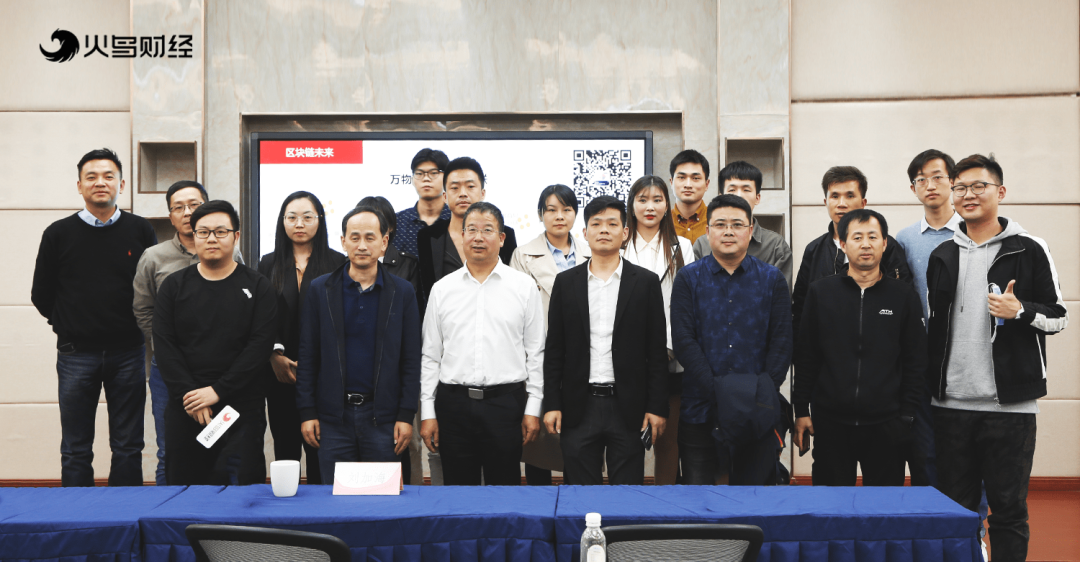
This event was guided by the Hangzhou Daily Press Group (Huamei Holding) and the Hangzhou Blockchain Technology and Application Federation, co-organized by Huoniao Finance and Haima Club, and co-hosted by Huamei Zhigu, 33 Complexity Beauty, and ZheShen Supply Chain.
The "Visionary Future" Blockchain Salon aims to foster a vibrant offline community—a space to share insights, exchange resources, and collectively explore the future ushered in by the blockchain era.