

The "New Era, New Consensus, New Future" 2023 Digital Economy Investment Summit was held in Chengdu, Sichuan Province on April 24. A roundtable discussion on the topic "How to Strategize Web3 Amidst Emerging Trends in the New Economy" featured Whdysseus, Founder of BroadChain Finance and Initiator of 1783DAO; Teco, Founder of MetaverseHub; Archer, Co-Founder of DG Capital; Zero Chung, Co-Founder of Azimerve Ltd; and Su Shengyu, CEO of Oasis Genesis.
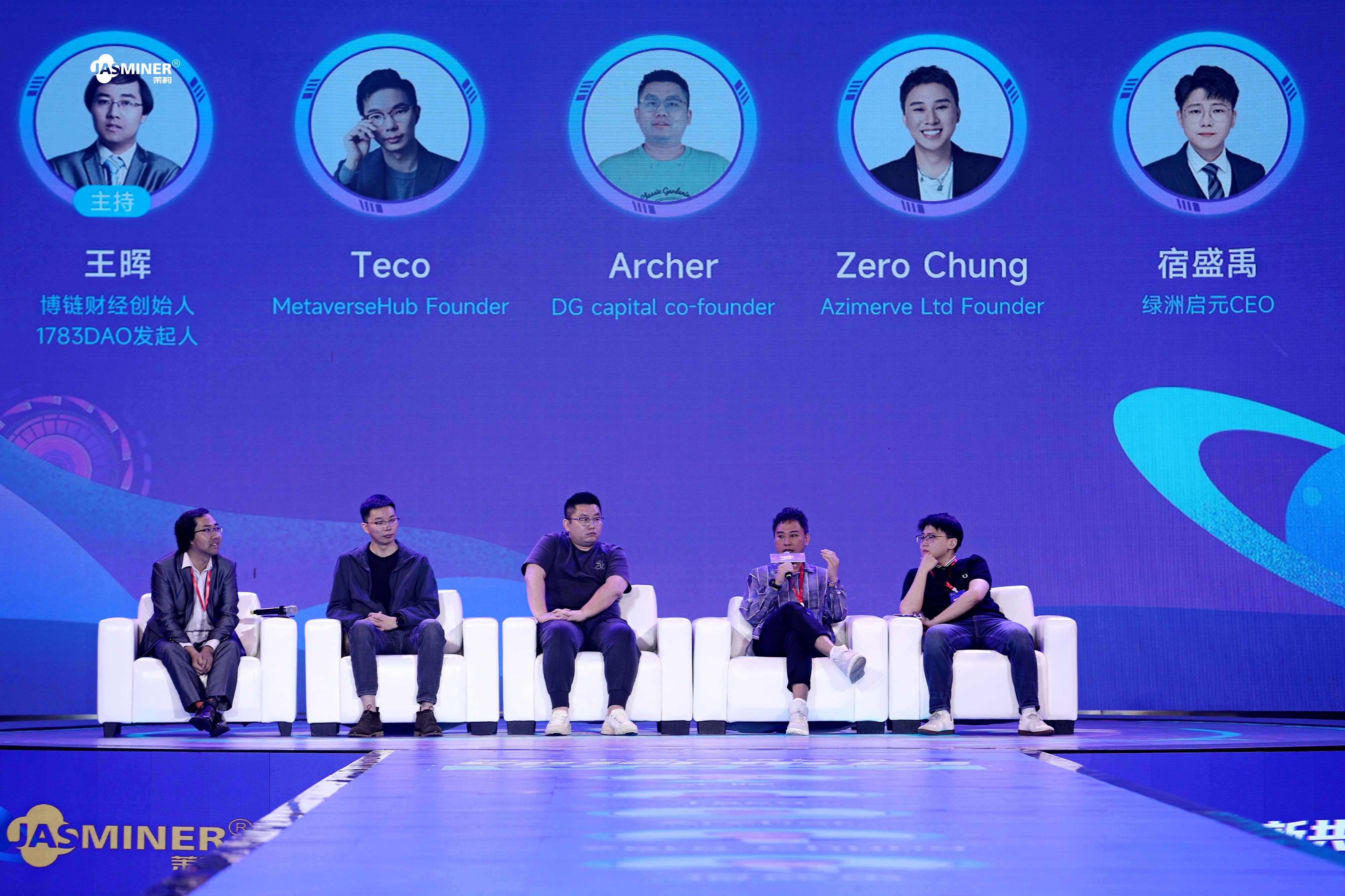
The following is an edited transcript of the roundtable discussion, courtesy of BroadChain Finance:
Whdysseus: Our topic today is "How to Strategize Web3 Amidst Emerging Trends in the New Economy." To start, could each of you introduce yourselves and share what you're working on in the Web3 space?
Whdysseus: I entered the Web3 industry in early 2018 and founded BroadChain Finance, a financial media platform focused on blockchain. In July 2022, I launched a Web3 DAO called 1783DAO.
Today, 1783DAO is one of the most recognized DAOs in the Chinese-speaking community. During the Hong Kong Web3 Carnival, we hosted three high-profile networking events that attracted over 1,500 participants. 1783DAO also ranked as the top community partner on the official Hong Kong Web3 Carnival website.
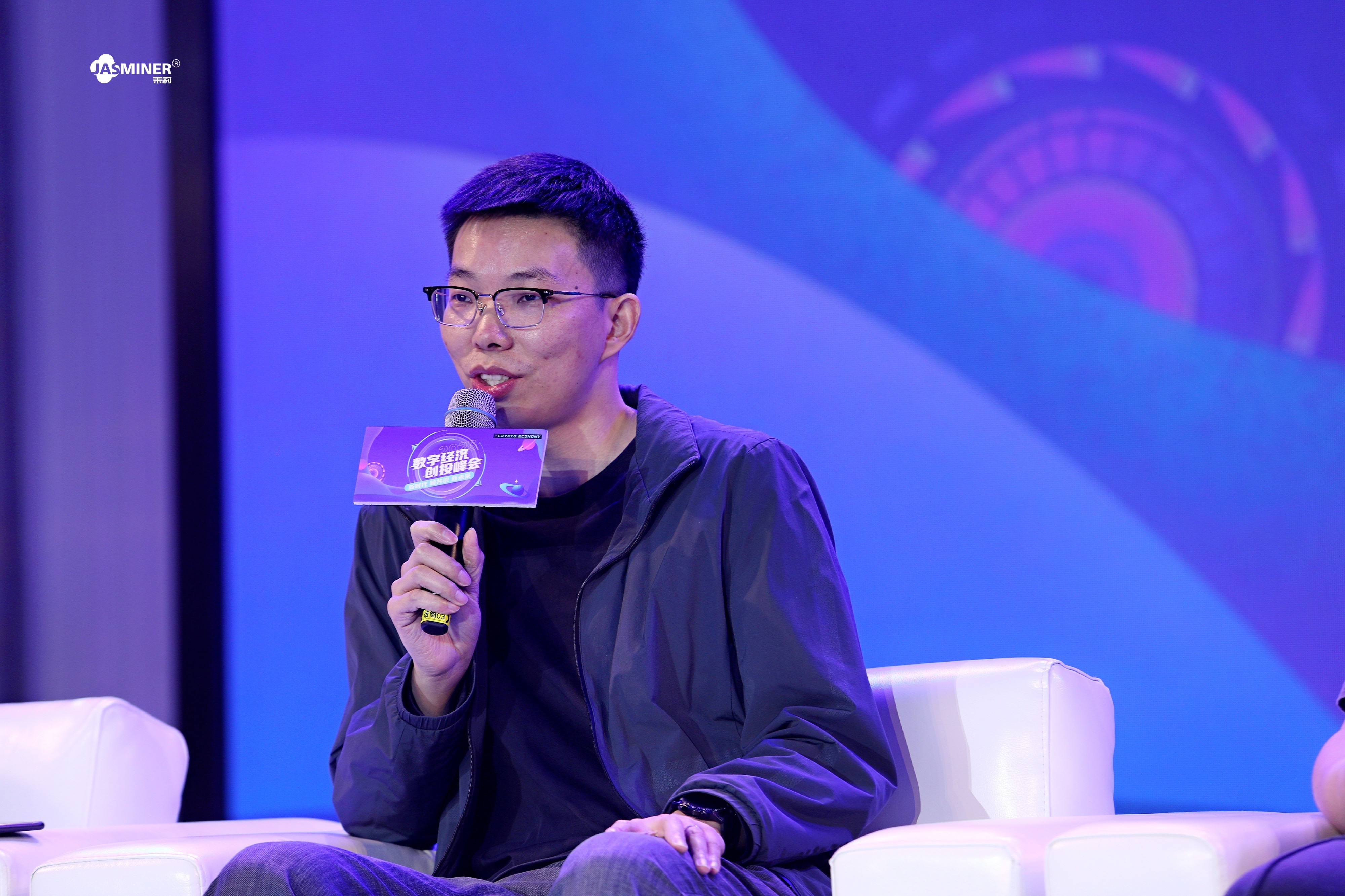
Teco: I'm the Founder of MetaverseHub, China's first media and industry intelligence platform dedicated exclusively to the metaverse. We also offer metaverse-related training and consulting services to government agencies and enterprises. We founded MetaverseHub in 2021, before the metaverse became a mainstream topic.
Archer: Our firm primarily researches and invests in overseas unicorn companies. Our current focus areas include Layer 2 solutions and GameFi, and we're also keeping a close eye on the entertainment sector.
Zero Chung: I'm the Founder of Hong Kong-based Azimerve Ltd. I've been working as a metaverse agent since 2021 and am currently organizing a Web3 maritime event.
Su Shengyu: We're a lab-style startup team, founded by post-2000s entrepreneurs, focused on developing blockchain engine technology.
Within Web3, we started developing intelligent media interaction technology in 2021—what's now widely known as the domestic metaverse sector. We've provided metaverse services to many leading enterprises and developed GameFi products. Over the past two years, we've also cultivated a designer- and technologist-oriented DAO in mainland China, which remains one of the most active Chinese-language DAOs today.
Whdysseus: The "New Economy" represents a fresh driver of economic growth. What role and value do you see Web3 bringing to this New Economy?
Teco: Web3 is still in its early stages, with a total market cap only reaching the trillion-dollar scale. Compared to traditional economic sectors, this is still relatively small. From a capital markets perspective, Web3 needs a compelling narrative.
This need for a strong narrative applies not just to Web3 and AI, but potentially to other domains as well. It may take another 3–5 years to identify the true winners.
That said, I believe Web3 is expansive enough to encompass the entire digital economy.
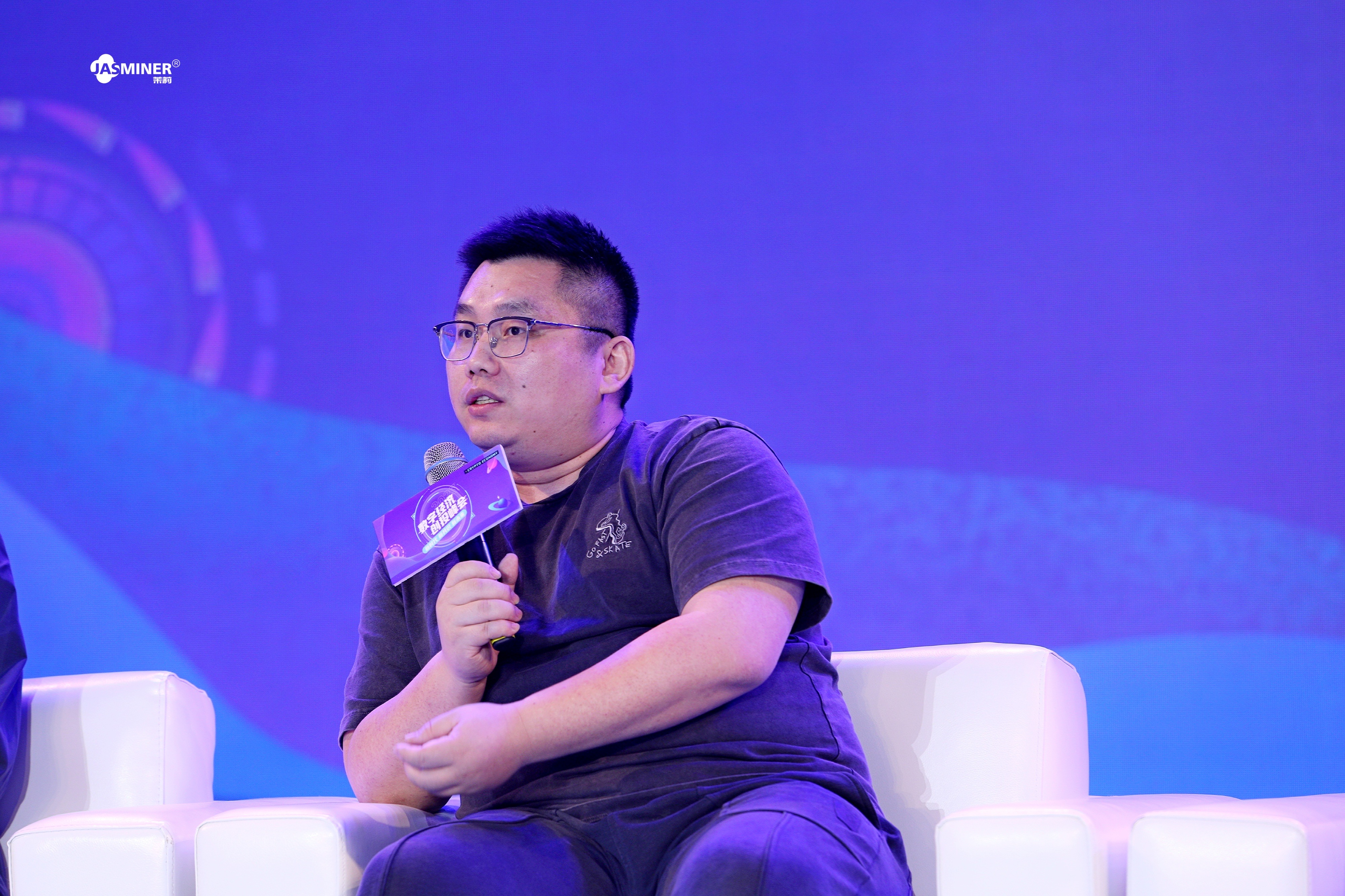
Archer: The creativity and liquidity within the Web3 community reflect its industrialization and scalable production capacity. With clear goals, motivation increases, accelerating wealth creation. This industry is full of opportunities—we need to be bold, aim high, and find our niche. While Web3 is still embryonic, it has matured significantly compared to four or five years ago. It's now more professional, transparent, and regulated. People attending summits aren't just looking for quick profits anymore; they're trying to understand the industry's future direction and find their own path forward.
Zero Chung: In Web3, we need to democratize existing blockchain technology so that everyone can use it.
Many Web3 projects operate in isolation. If we combine their strengths—like forming a DAO—we could pool resources to advance Web3 collectively.
Right now, Web3 and blockchain technologies are still confined to niche applications and haven't achieved widespread adoption.
So, a key theme for 2023 should be bridging the physical and virtual worlds—integrating Web2's traditional resources with Web3's blockchain infrastructure.
Web3 is both a critical and early-stage topic for me. We must figure out how to make it accessible to the general public—that's a profoundly meaningful goal.
Su Shengyu: The most distinctive feature of the New Economy is the shift in value creation—from tangible to intangible assets. Web3 is building the next-generation internet of trusted value. Together, they show that Web3 provides a foundational platform for creating and transferring trusted value across the entire digital and New Economy landscape. As more people prioritize digital and intangible value, I believe Web3 will play a crucial role in advancing the digital economy.
Whdysseus: Recently, the biggest topic in the Chinese-speaking crypto community has been the Hong Kong Web3 Carnival, co-hosted by Wanxiang Blockchain and Hashkey.
We'd like to hear about your personal experiences at the Hong Kong Web3 Carnival. What stood out to you the most or what attracted you the most about the event?
Teco: First, regulatory compliance: Five or six years ago, "compliance" wasn't even a concept in this industry. Now, licensed exchanges are operating in Hong Kong—a major step forward for the industry, especially for professionals based in mainland China.
Second, the caliber of participants: The industry now attracts not only seasoned veterans but also fresh talent from traditional enterprises, top internet companies, and leading universities. This influx greatly benefits industry growth and venture investment.
Finally, a reality check: I spent over a week in Hong Kong. While several promising projects were showcased, none delivered the transformative momentum the broader industry is waiting for.
As the downturn comes to an end, the next two to three years are likely to see more promising projects emerge—a positive development for investors.
Archer: I’d like to share three key observations. First, I’ve noticed that Hong Kong has a relatively high concentration of VCs and early-stage projects, but many of them prioritize flashy concepts over solid fundamentals.
Second, while Hong Kong offers plenty of opportunities for entrepreneurship and employment, the barriers to entry have also risen, so we need to maintain a rational and measured perspective.
Finally, as someone working in the industry, I see narratives and sub-sectors becoming richer and more diverse. We should support those who are genuinely committed to technical development and building commercially viable products—not just chasing media hype.
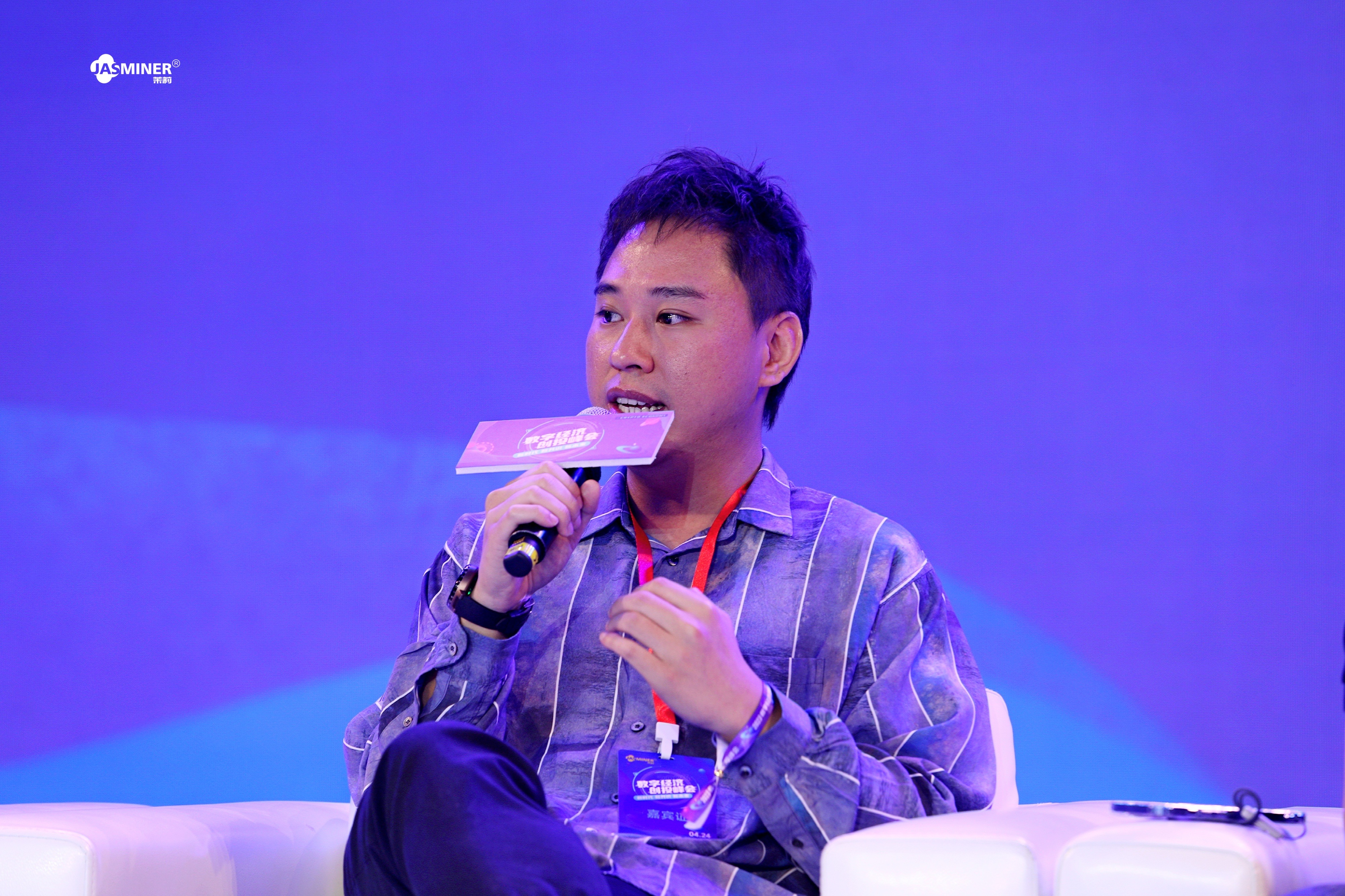
Zero Chung: As a Hong Kong native, I was thrilled to see over 100 Web3 events take place across the city in just one week. However, I also noticed that about 90% of the attendees were from mainland China.
I believe events held in Hong Kong should aim for a more balanced mix—for example, 50% from mainland China, 30% from other Asian countries, and 20% from Europe and the U.S.
We should also actively promote outstanding Chinese Web3 projects across Asia and globally. Over the past two years, I’ve given several talks in Europe. I truly hope to see China’s Web3 ecosystem continue to mature, and we must champion these excellent projects internationally. Hong Kong is the perfect bridge to make that happen.
Through Hong Kong, we can introduce these projects to global markets and raise awareness of Chinese ideas and innovations.
In 2023, we’ve heard a lot about “Phygital”—merging e-commerce with Web3—to bring top-tier projects to the world stage. We should collaborate with international projects, identify each other’s strengths, and integrate them into new business models.
Su Shengyu: On the first day, I visited the main exhibition hall of the Web3 Carnival and spoke with representatives from many projects. I found that some weren’t very familiar with their own projects—certain booths didn’t even have technical staff, just promotional teams handing out materials.
On the second day, I attended the Hong Kong International Tech Show and realized that Hong Kong lacks a significant software industry cluster or notable software companies. I later visited the University of Hong Kong and asked friends why the city hasn’t produced globally recognized software firms. They suggested I check out Cyberport for insights.
My impression is that Hong Kong remains primarily a financial hub—it still lacks the infrastructure to support robust tech projects. That said, for projects from mainland China, Hong Kong is an excellent springboard: setting up an office and offering technical services here is very feasible.
While small and mid-sized projects might hesitate to move directly to Singapore, Hong Kong can serve as a transitional hub to help them access essential resources.
Whdysseus: People often say Web3 is the next generation of the internet. In the Web2 era, Chinese talent achieved remarkable success—producing two of the world’s top 10 internet giants by market cap: Tencent and Alibaba.
So, to our panelists: What advantages and opportunities do Chinese people have in the Web3 space?
Teco: Due to policy shifts over the past two years, many investment institutions have been hesitant to accept capital from Chinese VCs—some projects have even opted exclusively for foreign funding. This has created an awkward situation.
However, as policies evolve in Hong Kong, investment institutions may form closer alliances, making it easier for Chinese VCs to drive initiatives forward. In terms of opportunities: Web3 is still in its early stages, which means there’s enormous potential ahead.
In the coming years, we’ll need many more Web3 projects—not just blockchain-related ones, but user-facing products that people actually want to use. This focus is both a critical priority and a major opportunity.
Archer: Chinese participants still have abundant opportunities—we can build on existing knowledge and expand further. As part of a multi-ethnic society, we can blend diverse cultural elements, extend NFT applications into daily life, and unlock value for 1.4 billion people.
While we may lag somewhat in blockchain innovation, we can learn and gain experience along the way. For now, we should focus on telling our own stories well and establishing a strong domestic foundation before expanding globally. This may take five to ten years, but the opportunity is real and within reach.
Zero Chung: Many Hong Kong-based companies are actively preparing to launch new ventures and business models in Hong Kong and the Greater Bay Area, aiming for stronger performance.
For example, in e-commerce, some cloud service providers are already exploring Web3 integration. Web3 adoption is accelerating—soon, every e-commerce platform will have its own unique connection points. These Web3 interfaces will interact with physical goods and embed themselves into community life, awaiting full maturity.
In the future, Web3 applications will continue to broaden and become an integral part of the physical world.
Intellectual property (IP) is also crucial. Building proprietary IP and securing rights is costly, no matter where you are.
We need to empower Web3 creations and enhance their intrinsic value. As adoption spreads, Web3 technology should serve as foundational infrastructure, accessible to everyone. Such an ecosystem can transform traditional business models and deliver benefits at every level.
In the next few years, we’ll witness this transformation—similar to the shift from landlines to smartphones.
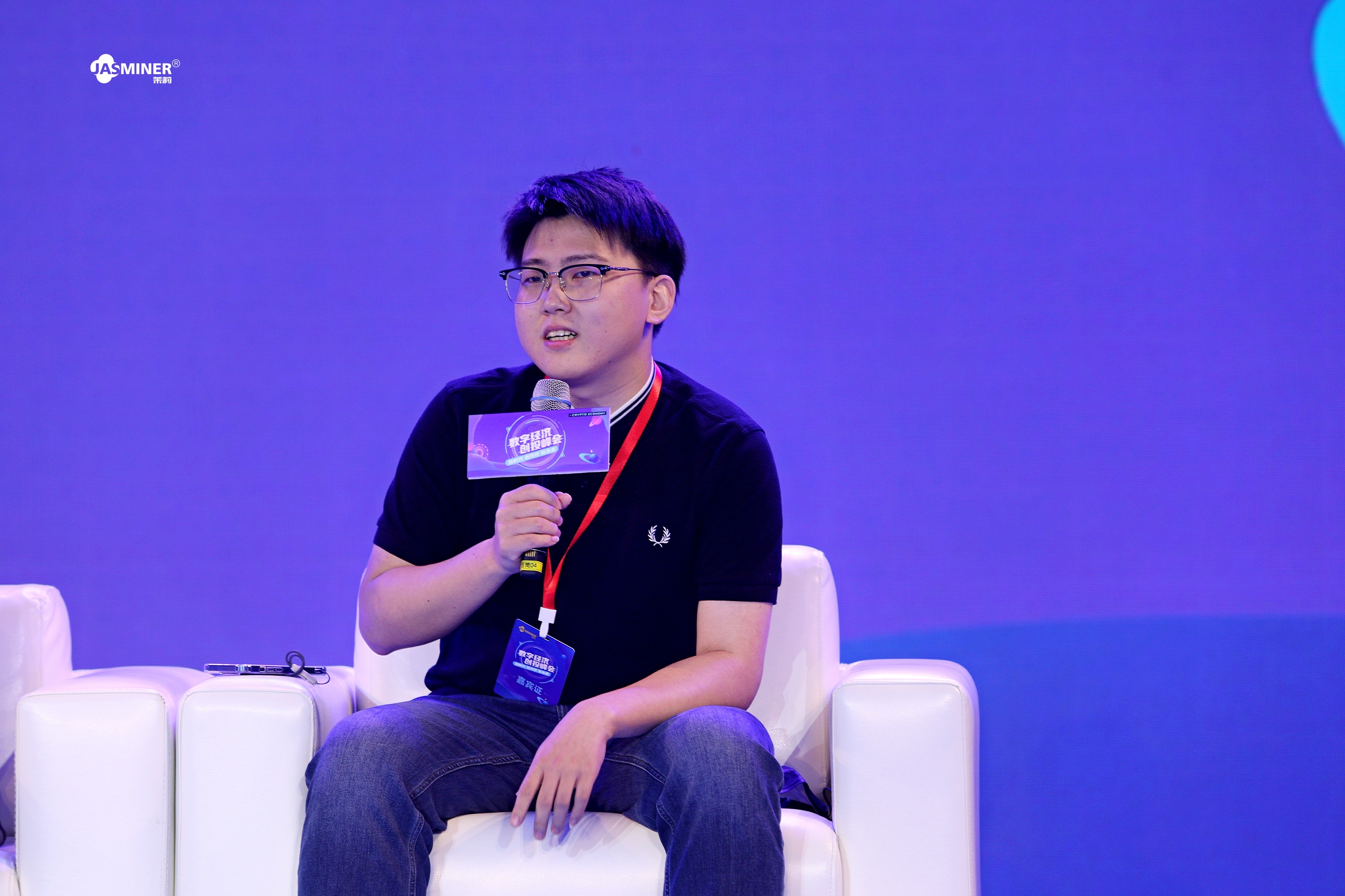
Su Shengyu: One-third of OpenAI’s team is ethnically Chinese—a testament to our inherent strengths across industries.
From a narrative perspective, many doubt that Chinese teams have long-term conviction, partly because we rarely talk openly about “belief.”
Often, even if you know a project was built by Chinese developers, its branding is so polished—with no visible “Chinese” traces—that audiences easily believe it’s a long-term, faith-driven overseas initiative. This is a crucial point that deserves special attention.
Building truly trustworthy products in Web3 requires a long-term commitment to and belief in the underlying technology.
Chinese teams also bring strong product design capabilities to the table, with a keen understanding of user psychology and attention to detail. This is crucial, as a major pain point in Web3 today is the lack of genuinely user-friendly applications.
True mass adoption might arrive when using Web3 becomes intuitive for everyone—imagine an 80-year-old effortlessly trading an NFT. That level of seamless experience is precisely what Chinese developers are well-positioned to deliver.
Furthermore, China possesses a vast and talented technical workforce. Many young technologists are entering the Web3 space seeking purpose and community.
With comparatively lower technical labor costs, corridors like the Greater Bay Area and Hong Kong offer excellent hubs for technical development. By leveraging these cost-effective resources, Chinese builders have a tremendous opportunity to create products that redefine how we interact with the digital world.